
Las normas de embalaje y almacenamiento nunca se tienen en cuenta, ya que, por lo general, las pérdidas pasan desapercibidas.
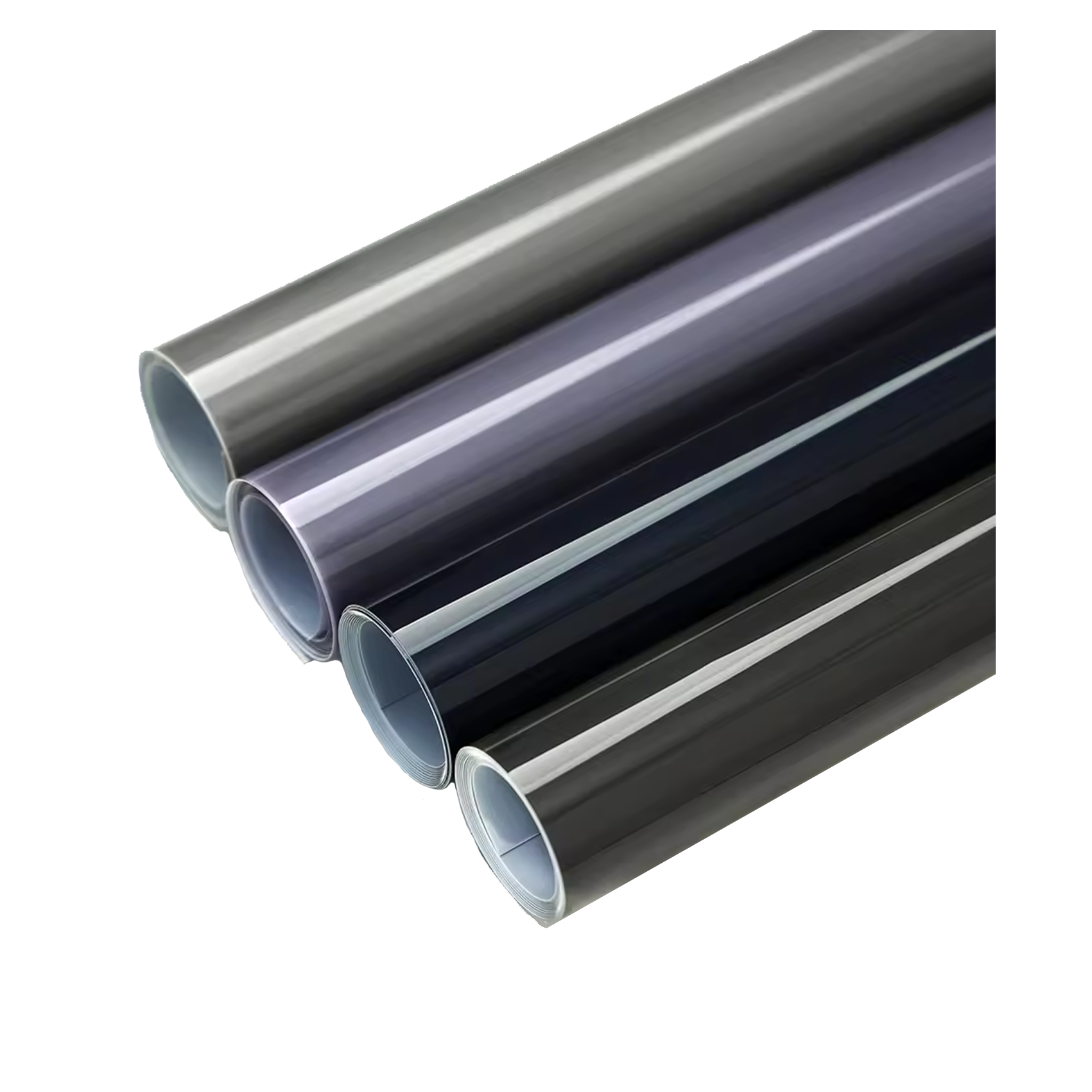
Y se acumulan en los almacenes, dentro de contenedores que cruzan el estrecho de Malaca, bajo temperaturas de hasta 62 °C bajo el techo, donde las láminas de polímero se relajan, los núcleos se deforman, la presión en los bordes se redistribuye, y lo que parecía perfecto en el momento del envío llega retorcido, desplazado, encajonado —se adjuntan fotos de la reclamación, se impugna la factura, se ve mermada la reputación—.
¿Suena dramático? No lo es.
Índice
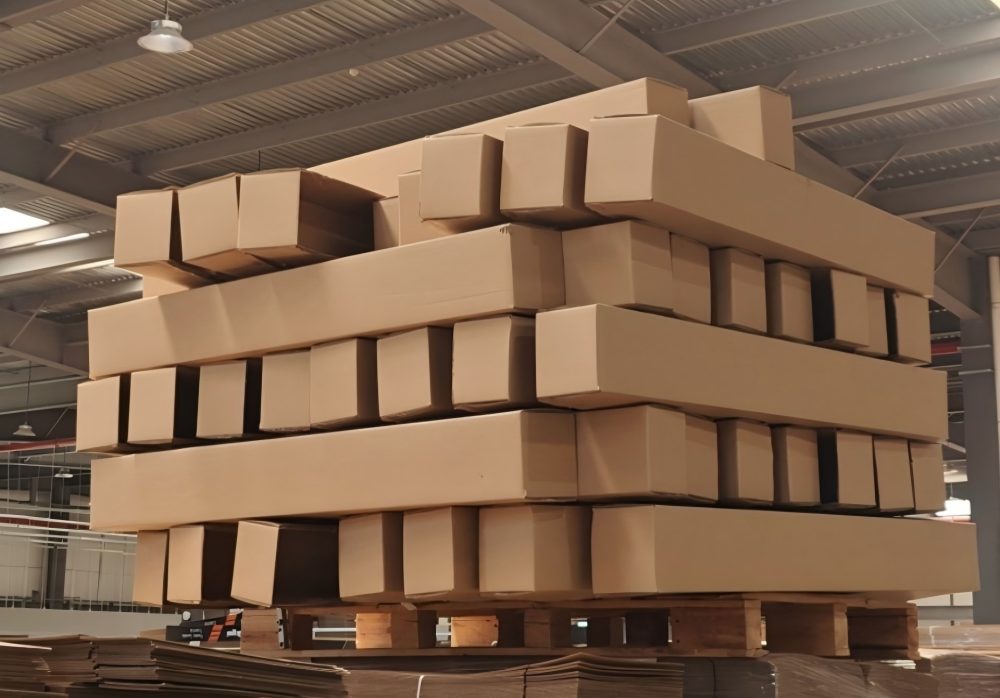
He visto cómo una tasa de curvatura de 2% se ha convertido en una tasa de reclamaciones de 12% en menos de un trimestre en el que ha habido mucha humedad. Sin cambios en la maquinaria. Sin reformulación de la resina. Solo por un descuido en el embalaje y el almacenamiento.
Damos la culpa a la producción. Pero es culpa de la logística.
Si te dedicas a la fabricación de productos laminados —láminas para tintar cristales, láminas protectoras, laminados flexibles—, la verdadera causa de la pérdida de margen suele ser la gestión posterior a la producción. Especialmente cuando el procedimiento operativo estándar (SOP) de embalaje y almacenamiento es un PDF que nadie lee.
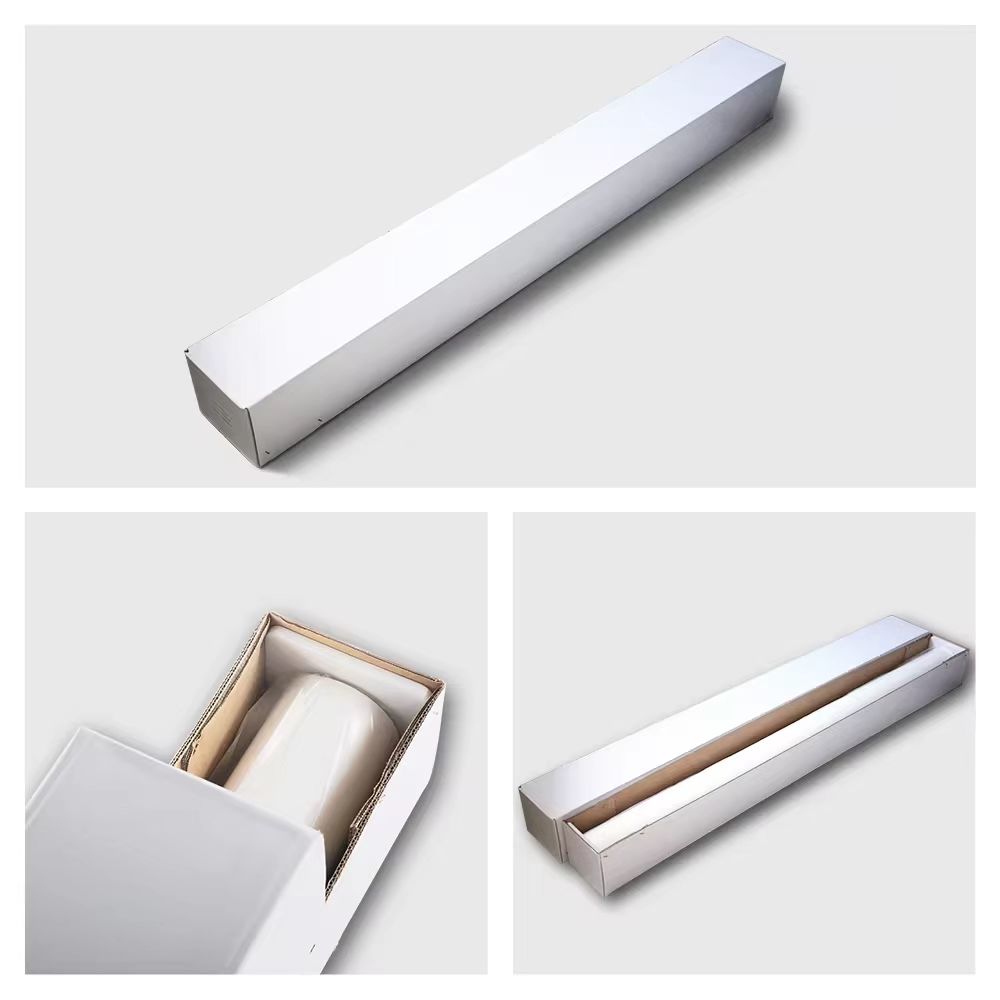
Voy a ser franco: la mayoría de los documentos sobre “procedimientos operativos estándar para el embalaje” son meramente decorativos. En ellos se definen las dimensiones de las cajas de cartón y los patrones de paletización. Ignoran la carga de compresión dinámica, la variación de la humedad en los contenedores (de 401 TP5T a 951 TP5T de humedad relativa en las rutas de la ASEAN) y los ciclos térmicos que someten a los films de PVC a condiciones que superan sus umbrales de transición vítrea.
Y luego nos sorprendemos cuando aparece el efecto telescópico.
En 2023, las investigaciones sobre la cadena de suministro realizadas por Reuters documentaron un aumento de las reclamaciones relacionadas con mercancías dañadas por el calor en las rutas marítimas de Asia-Pacífico, a medida que las condiciones meteorológicas extremas intensificaban los picos de temperatura en los contenedores. Según un análisis logístico de Reuters sobre los riesgos de la carga provocados por el clima, el interior de los contenedores puede superar los 60 °C durante el tránsito en rutas tropicales. Eso no es teoría. Es estrés en los polímeros.
El PVC no resiste el calor.
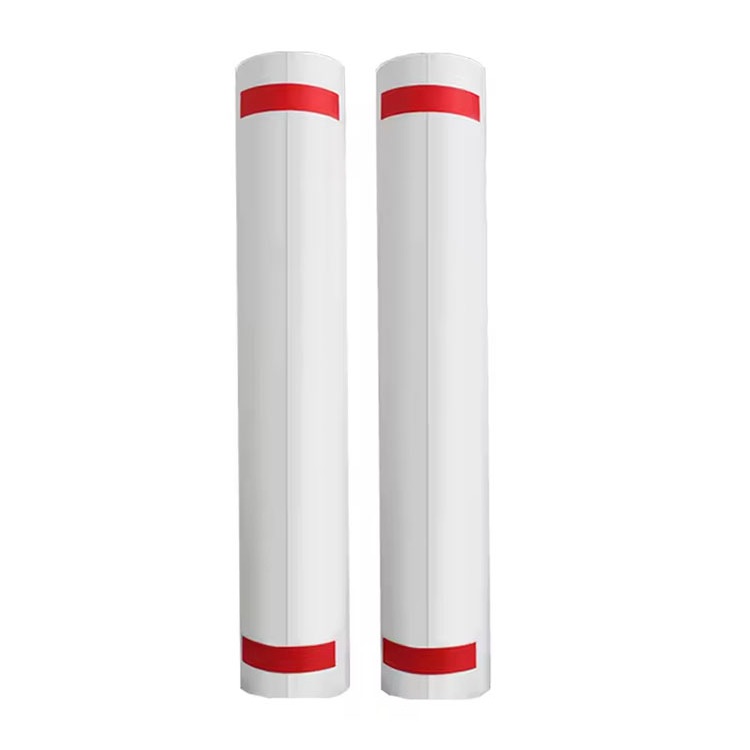
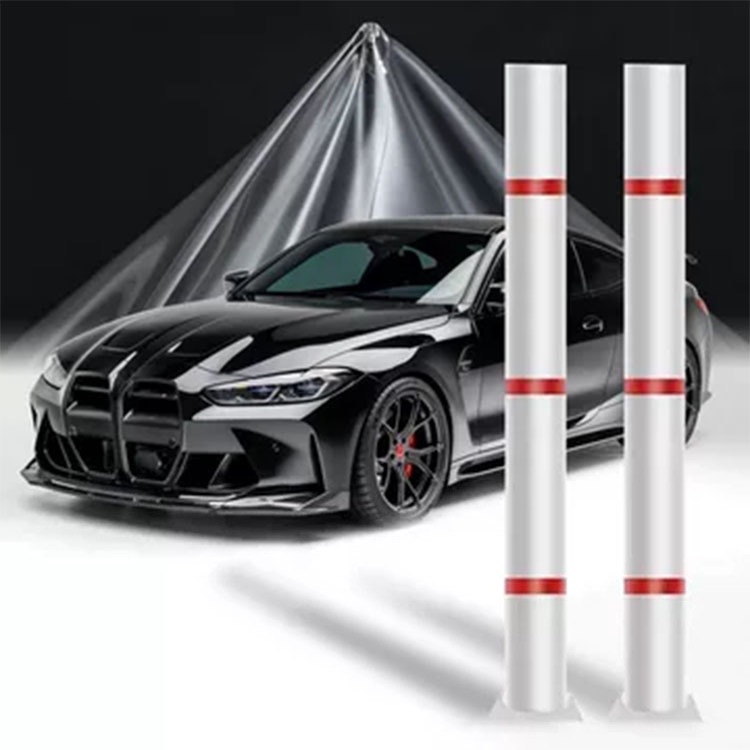
Cuando suministramos materiales de alto rendimiento, como los tintados nanocerámicos —especialmente las láminas de rechazo de infrarrojos con capas múltiples de óxidos metálicos—, las diferencias de microtensión a lo largo del ancho del rollo se amplifican debido a la expansión térmica. Se pueden observar estructuras multicapa similares en productos como este Rollo de lámina tintada nanocerámica para aplicaciones automovilísticas.
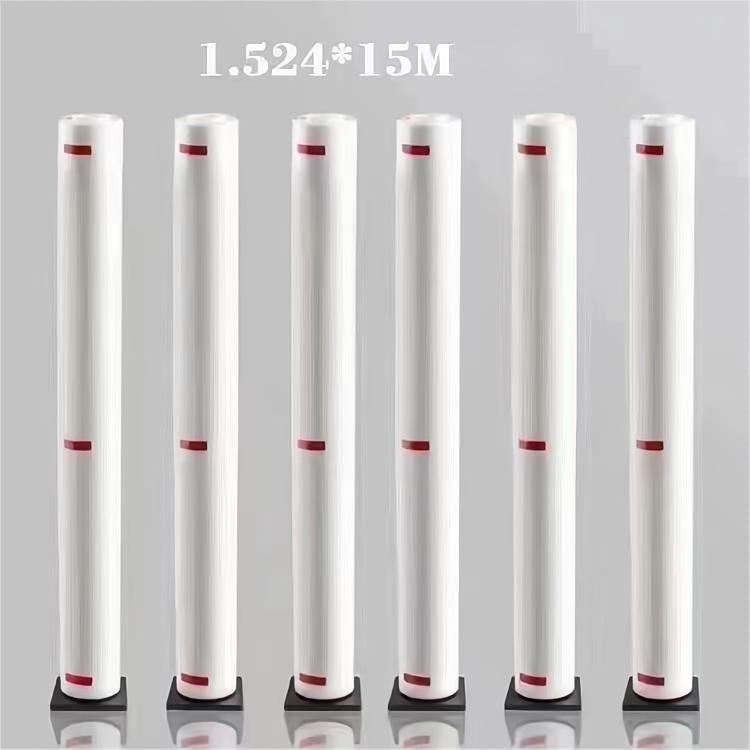
Ahora imagínatelo colocado en posición vertical sobre un tubo de papel ligeramente ovalado.
¿Crees que se mantendrá alineado?
El Curl empieza antes.
El rizado del producto rara vez se debe a un “defecto de fabricación”. Se trata de la memoria de deformación. La película se enrolla con una tensión de entre 8 y 12 kg, se almacena en posición horizontal sin soporte central y, posteriormente, se expone a una absorción desigual de la humedad: los bordes se hinchan microscópicamente, el centro permanece inmóvil y se forma una curvatura.
¿Cómo reducir el rizado del producto durante el almacenamiento? Controla tres variables: la memoria de tensión, la rigidez del núcleo y la variación ambiental.
Fórmula sencilla: Riesgo de curvatura ∝ (Tensión residual del bobinado × Diferencial de humedad) ÷ Integridad del núcleo.
Es ahí donde la mayoría de las fábricas fracasan.
He inspeccionado instalaciones en las que se almacenan películas teñidas de estas dimensiones (1,52 x 30 m) Lámina tintada para lunas de coche de 2 milésimas de pulgada con protección UV 99% cuatro palés apilados uno encima de otro. Sin distribuidores de carga verticales. Los tubos de papel, con un diámetro interior de 76 mm, se deforman ligeramente. El efecto telescópico comienza de forma imperceptible: un desplazamiento de 1 mm por capa. Multiplica eso por 30 metros.
Ahora tu distribuidor en Dubái abre el rollo. Borde en espiral.
Se ha presentado la reclamación.
Y aquí viene lo que la gente suele pasar por alto: la inspección de recepción suele ser meramente superficial.
Un verdadero conjunto de criterios de inspección de recepción para el embalaje debe evaluar:
• Tolerancia de redondez del núcleo (desviación ≤ 0,5 mm) • Variación en la alineación de los bordes (desplazamiento lateral < 2 mm) • Contenido de humedad de las cajas de cartón (≤ 121 TP5T para el cartón ondulado) • Porcentaje de deformación por compresión del palé
Hablamos de cómo evitar el efecto telescópico en el embalaje en rollos como si fuera algo complicado. Pero no lo es.
Es cuestión de física.
Vector de compresión + capa intermedia de baja fricción + ovalización del núcleo = desplazamiento lateral.
Pero aquí es donde entra en juego la negación del sector. La gente insiste en que las películas de alta calidad —por ejemplo, las estructuras teñidas con infusión de carbono como estas Láminas tintadas para lunas de automóviles—“no debería deformarse”. Como si la calidad del material prevaleciera sobre las propiedades mecánicas.
No es así.
Veamos los factores que provocan fallos y que he documentado en las auditorías realizadas en 2024 en todo el sudeste asiático:
| Factor de riesgo | Especificaciones típicas | Umbral de fallo | Defecto resultante |
|---|---|---|---|
| Temperatura del contenedor | 25–35 °C | >55 °C durante 6 horas | Fluencia adhesiva, efecto telescópico |
| Humedad relativa | 45–60% | >85% durante 48 horas | Rizado en los bordes |
| Espesor de la pared del núcleo | 5 mm | <4 mm bajo carga | Ovalización del núcleo |
| Altura de apilamiento de palés | 2 capas | 4 o más capas | Compresión del rodillo inferior |
| Tensión del bobinado | 8 kg | >12 kg | Memoria de rizo residual |
Los datos no mienten. La gente sí.
En 2024, Bloomberg informó sobre el aumento de las reclamaciones de seguros de carga relacionadas con una estabilización inadecuada de la carga, en un contexto de inestabilidad climática y mayor densidad de contenedores. El sector asegurador no es ingenuo; está valorando el riesgo derivado de una disciplina deficiente en el embalaje. Se pueden observar tendencias informativas similares en la cobertura de Bloomberg sobre la cadena de suministro global.
Los compradores de gama alta detectan las tendencias.
Un procedimiento operativo estándar (SOP) adecuado para el almacenamiento en el sector manufacturero debe definir:
- Almacenamiento de bobinas exclusivamente en vertical con tapones para el núcleo con una capacidad de carga axial de 200 kg.
- Altura máxima de apilamiento de palés = 2, salvo que se instalen tableros de compresión.
- Rango de temperatura del almacén: 22–28 °C, 45–60 % de humedad relativa, con control cada hora.
- Se aplica estrictamente el método FIFO en un plazo de 90 días para las películas de alta tensión.
- Auditorías mensuales basadas en una lista de verificación del control de calidad del embalaje, con medidas correctivas documentadas.
¿Esto supondrá un aumento de los costes? Sí.
¿Reducirá las reclamaciones en un 30-50 %? Según mi experiencia, también sí.
He visto cómo algunas fábricas han reducido las reclamaciones de garantía anuales de 1 600 000 a menos de 600 000 tras aplicar estrictamente el cumplimiento de los procedimientos operativos estándar (SOP) de embalaje y almacenamiento. Sin cambiar de resina. Sin mejorar el recubrimiento. Solo con disciplina.
La cruda realidad: a los equipos de producción les encanta la precisión. Los equipos de logística se conforman con aproximaciones. Las pérdidas se producen en ese margen.
Y ahora el mercado es menos indulgente.
Los distribuidores que operan en regiones con altas temperaturas —Oriente Medio, Australia, el sur de Estados Unidos— están midiendo los índices de defectos por lote. Están controlando la alineación de los bordes de las bobinas con una precisión de milímetros. Están comparando proveedores.
No les importan tus excusas.
Les importan los turnos estables.
Así pues, elabora tu procedimiento operativo estándar (SOP) como si fuera un modelo de riesgo, no como un documento de cumplimiento normativo. Cuantifica los márgenes de tolerancia. Define los parámetros de inspección. Vincula las bonificaciones a la reducción de reclamaciones.
Y audita sin descanso.
Porque curl no negocia.
El telescopio no se disculpa.
Y los compradores lo recuerdan.
Preguntas frecuentes sobre el embalaje y el almacenamiento
¿Qué es un procedimiento operativo estándar (SOP) de embalaje y almacenamiento?
Un procedimiento operativo estándar (SOP) de embalaje y almacenamiento es un marco operativo documentado que define especificaciones de embalaje normalizadas, condiciones ambientales de almacenamiento, criterios de inspección, configuraciones de carga y protocolos de manipulación para evitar la deformación física, los daños causados por la humedad y los defectos provocados por el transporte en los productos manufacturados, en particular en los materiales en rollos.
En la práctica, debe especificar tolerancias cuantificables —redondez del núcleo, rangos de humedad, límites de apilamiento— y no instrucciones vagas como “almacenar adecuadamente”.”
¿Cómo se puede reducir el rizado del producto durante el almacenamiento?
Para reducir el rizado del producto durante el almacenamiento, es necesario controlar la memoria de tensión del bobinado, las diferencias de humedad ambiental y la integridad estructural del núcleo, con el fin de evitar una redistribución desigual de la tensión a lo largo del ancho del rollo.
En concreto, mantenga una temperatura de almacenamiento de entre 22 y 28 °C y una humedad relativa de entre el 45 % y el 60 %, utilice núcleos reforzados de 76 mm con una desviación de redondez ≤0,5 mm y evite el apilamiento horizontal, ya que aumenta la compresión en los bordes.
¿Qué provoca el efecto telescópico en los envases enrollados?
En el embalaje en rollo, el efecto telescópico se produce cuando las fuerzas de compresión axial, la expansión térmica y la rigidez insuficiente del núcleo provocan un desplazamiento lateral de las capas, lo que da lugar a una desalineación en espiral de los bordes y a un producto inservible.
Este fenómeno se ve agravado por las altas temperaturas de los contenedores (>55 °C), la presión excesiva del apilamiento y las superficies de los films de baja fricción, sometidas a fuerzas dinámicas de transporte de hasta 0,8 g durante la desaceleración.
Conclusión
Si de verdad te interesa proteger tus márgenes, deja de obsesionarte con las fórmulas de recubrimiento y empieza a revisar el estado de tu almacén.
Elabora el procedimiento operativo estándar. Asegúrate de que se cumpla. Evalúa su eficacia.
O seguir pagando por pruebas manipuladas y tergiversadas de una negligencia que se podría haber evitado.


 English
 Français
 Deutsch
 Italiano
 Español
 Português
 العربية
 Русский