
Table of Contents
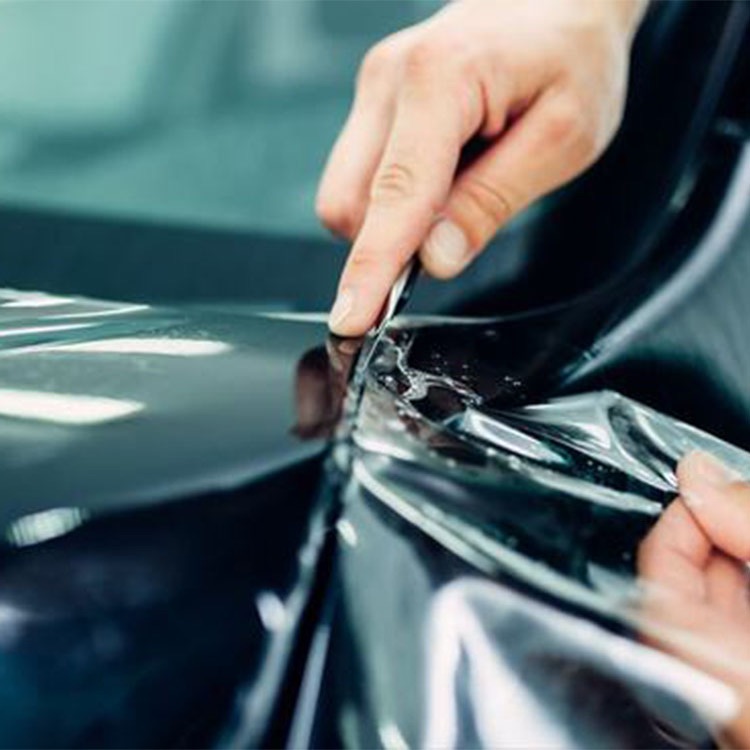
The Sticker Shock Is Real, But It Is Not Random
PPF cost has become one of the most argued-over numbers in car care.
That bill bites.
A driver walks into a shop expecting “clear plastic on paint,” then gets quoted $1,500 to $3,000 for a full front end or $4,000 to $8,000+ for a full vehicle, and the first reaction is usually anger, not curiosity. Why should a transparent film cost more than a decent repaint on a bumper?
Here is the hard truth: most customers are not paying for film alone. They are paying for film, wasted film, pattern access, surface prep, shop rent, installer skill, liability, warranty risk, and the painful reality that modern vehicles are harder to wrap cleanly than older ones.
I do not buy the “PPF is overpriced because shops are greedy” argument. Some are. Many are not. The sharper truth is that paint protection film prices are rising because the business model has less room for error than customers think.
A bad tint job annoys people. A bad PPF job can lift, yellow, scar adhesive into clear coat, trap debris on a six-figure vehicle, and turn into a warranty fight that eats the profit from three clean installs.
That is the part nobody wants to price.
Film Cost: TPU Is Not Just “Plastic”
Most professional PPF is based on thermoplastic polyurethane, or TPU. That matters. TPU is not the same as bargain PVC wrap vinyl, and it is not priced like commodity packaging film.
A proper paint protection film stack can include TPU base film, acrylic pressure-sensitive adhesive, release liner, anti-yellowing additives, hydrophobic or stain-resistant top coat, and sometimes self-healing chemistry. In premium lines, the supplier is not selling a sheet. They are selling optical clarity, stretch memory, adhesive control, gloss retention, and warranty confidence.
The material market has also been jumpy. The FRED Producer Price Index for Plastics Material and Resin Manufacturing, sourced from the U.S. Bureau of Labor Statistics, showed the index at 303.509 in January 2026 and 377.676 in May 2026. That is roughly a 24% move in five months. No installer can absorb that forever.
And yes, I know PPF is not “generic resin.” Still, TPU film sits in a larger chemical chain where resin pricing, coating inputs, liners, adhesives, energy, freight, and inventory finance all push into the final roll price.
For distributors and shops sourcing from factories, this is why supplier selection matters. A cheap roll is not cheap if it has haze, orange peel, unstable adhesive, weak anti-yellowing performance, or poor removal behavior after UV exposure. For buyers building a serious program, I would rather start with a stable TPU paint protection film supply than chase the lowest roll price and inherit warranty debt six months later.
What Actually Sits Inside the Roll Price
| Cost Driver | What It Means in Real Shops | Why It Raises PPF Cost |
|---|---|---|
| TPU base film | The core impact-resistant layer, often 6–8 mil in finished film systems | Better TPU costs more and usually behaves better during stretch, heat, and removal |
| Top coat | Self-healing, stain resistance, gloss control, anti-contamination behavior | Weak coatings create callbacks, staining complaints, and warranty claims |
| Adhesive system | Initial tack, repositioning, long-term bond, clean removal | Bad adhesive can turn a profitable install into a paint-risk dispute |
| Release liner | Liner stability during storage, cutting, shipping, and installation | Liner curl or contamination increases waste before the film reaches the car |
| Pattern and cutting loss | Pre-cut kits, oversized panels, failed cuts, trim margins | Shops pay for the film they throw away, not only the film that stays on the vehicle |
| Warranty reserve | Future labor and replacement risk | Long warranties are priced into today’s invoice whether customers see it or not |
Labor Is the Quiet Monster Behind PPF Installation Cost
Film is expensive. Labor is worse.
The BLS Occupational Outlook Handbook for Automotive Body and Glass Repairers reported a May 2024 median annual wage of $51,680 for automotive body and related repairers, with the highest 10% earning more than $87,040. Skilled hands are not getting cheaper.
PPF installers are not exactly the same as collision technicians, but the labor economics rhyme. The job requires paint inspection, wash and decontamination, clay, polishing judgment, slip solution control, tack solution timing, stretch strategy, squeegee pressure, edge wrapping, blade discipline, and the patience to redo an ugly panel before the customer sees it.
That is not entry-level work.
And the market is competing for the same type of person: detailers, body techs, wrap installers, window film installers, EV accessory specialists, dealership reconditioning staff. Reuters has reported that a shortage of qualified EV repair technicians is already threatening to increase repair and warranty costs in the auto sector, especially where high-voltage systems require new training and safety procedures. The PPF shop may not be repairing battery packs, but it still competes in the same broader skilled automotive labor pool: Reuters on EV technician shortages.
So when a shop charges $2,200 for a full-front package, the customer sees a number. The owner sees two installers, half a day to a full day of bay time, pattern software, lighting, insurance, compressed air, towels, blades, gel, squeegees, water filtration, rework risk, and a customer who may inspect the bumper with a flashlight.
Would you warranty that for cheap?
Waste Is Where Naive PPF Pricing Goes To Die
PPF film waste is the part most customers never understand.
A full hood is not priced only by the rectangle that sticks to the hood. You have trim margins. You have handling loss. You have stretch zones. You have pieces that fail because one grain of dirt landed under the film. You have pre-cut files that need revision. You have bulk installs where the first attempt goes wrong because the bumper has a compound curve that laughs at your spreadsheet.
On some vehicles, the waste is tolerable. On others, especially sports cars, EVs, oversized SUVs, piano-black trim packages, and sharp bumper designs, it becomes brutal.
This is also why color PPF can carry a higher quote. A clear film mistake may be less visible after correction. A color film mistake often screams. Matching gloss, managing stretch whitening, and keeping a deep color consistent across curves takes more care. Shops buying self-healing TPU color PPF are not just buying a protective layer; they are buying appearance, color stability, and fewer “why does this panel look different?” conversations.
Waste is not theft. Waste is physics, geometry, and quality control.
Warranty Is Not Free. It Is a Hidden Insurance Product
Paint protection film warranty sounds simple: yellowing, cracking, blistering, delamination, adhesive failure, staining.
It is not simple.
A PPF warranty can involve three parties: the film manufacturer or supplier, the installer, and the vehicle owner. When something fails, everybody points at somebody else. Was it film chemistry? Installer stretch? Contaminated paint? Bad prep? Solvent exposure? Ceramic coating incompatibility? Pressure washing? Acidic bug residue? Poor storage before installation?
This is where the industry gets ugly.
The FTC’s Businessperson’s Guide to Federal Warranty Law makes one thing plain: written warranties are contracts, and if a company offers one, the language, limitations, and pre-sale availability matter. That does not mean every PPF dispute becomes a federal warranty case. But it does mean serious businesses cannot treat warranty promises like casual marketing lines.
A 10-year PPF warranty is not just a badge on a brochure. It is a liability tail.
This is why I like seeing suppliers talk about adhesive behavior in measurable terms, not fluffy claims. A serious PPF adhesive specification should address tack, release, residue limits, UV exposure, removal conditions, and test methods. If a supplier cannot explain residue risk, they are pushing future pain downstream to the installer.
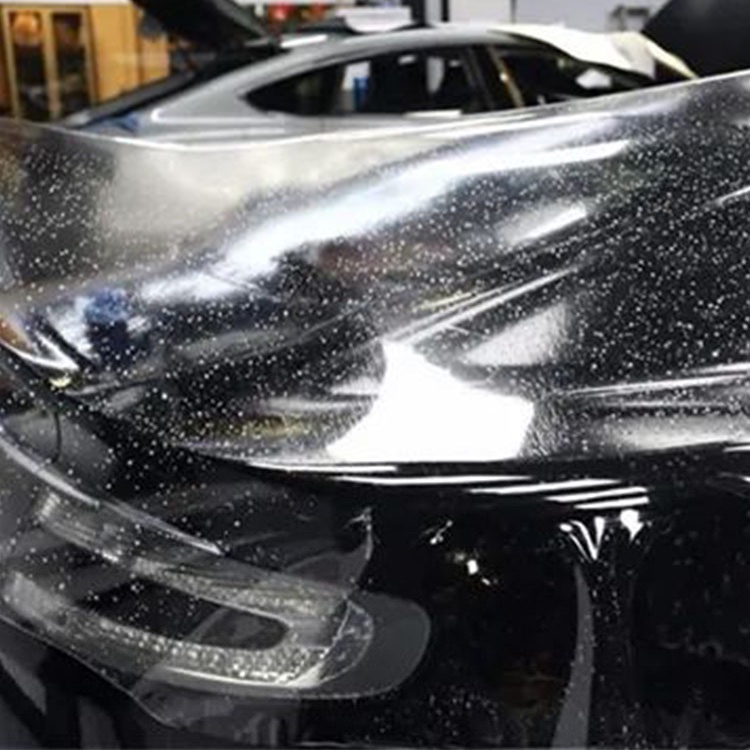
Why Is PPF So Expensive? Follow the Risk, Not the Roll
The lazy answer is “premium brands charge more.”
The better answer is risk.
Every PPF job has stacked risk. Film risk. Labor risk. Pattern risk. Paint risk. Customer expectation risk. Warranty risk. The final invoice has to cover all of it.
Let’s use a simplified shop example.
A full-front job might require 18–30 feet of 60-inch or 72-inch film depending on vehicle size, pattern waste, and whether the installer bulk-wraps edges. Add pattern software, prep labor, two-person installation time, final inspection, and overhead. If the first bumper fails, the shop may lose film, bay time, and morale. If the job comes back in three weeks with lifting edges, the shop loses more labor. If the customer has a matte Porsche, black Tesla, or repainted bumper, the risk jumps again.
That is why “how much does PPF cost?” is the wrong first question.
The better question is: what failure mode am I trying to avoid?
If the goal is stone-chip protection on a daily driver, a partial-front or full-front package may be enough. If the goal is resale protection on a high-end car, full body PPF may make sense. If the goal is styling plus protection, a glossy black TPU PPF film for auto detailers may carry a different value calculation from clear film.
And for wholesalers, distributors, and private-label brands, the math changes again. You are not buying a single install. You are buying repeatability. That is where OEM/ODM window film and PPF manufacturing becomes a margin question, not just a procurement question.
The Price Ranges Customers Actually See
Industry retail pricing varies by city, installer reputation, vehicle size, film brand, and coverage. Public installer guides often place partial-front packages around $700–$1,500, full-front packages around $1,500–$3,000, and full-vehicle PPF around $4,000–$8,000+. One public industry pricing guide from Metro Restyling gives similar ranges for partial front, full front, and full vehicle work: Understanding the Cost of PPF.
I would treat those ranges as directional, not universal. A basic sedan in a lower-rent market is not a McLaren, Tesla Cybertruck, Porsche 911 GT3 RS, Range Rover, BMW XM, or matte-finish Mercedes-AMG. Vehicle shape matters. Paint condition matters. Film finish matters. Installer reputation matters.
And the shop’s warranty behavior matters most.
A cheap quote with no documentation is not a bargain. It is a bet.
PPF Cost Pressure by Coverage Type
| Coverage Type | Typical Market Range | Main Cost Pressure | My Opinion |
|---|---|---|---|
| Door cups and edges | $150–$400 | Small pieces, setup time, low material use | Good add-on, rarely worth a standalone trip unless bundled |
| Partial front | $700–$1,500 | Bumper complexity, hood strip alignment, visible seams | Practical for daily drivers, but seams annoy picky owners |
| Full front | $1,500–$3,000 | Full hood, bumper, fenders, mirrors, headlights | Best value for most highway-driven vehicles |
| Track package | $2,000–$3,500 | Rocker panels, A-pillars, rear impact zones | Smart for performance cars, overkill for many commuters |
| Full body clear PPF | $4,000–$8,000+ | High film use, heavy labor, high rework risk | Expensive, but logical for high-value cars |
| Full body color PPF | $5,000–$10,000+ | Appearance control, color consistency, stretch management | Not just protection; it competes with wrap styling |
The Uncomfortable Buyer Checklist
Before paying for PPF, ask sharper questions.
Do not ask only, “What brand do you use?” Brand matters, but it is not enough.
Ask what film thickness is being installed. Ask whether the quote includes wrapped edges. Ask whether the bumper is bulk-installed or pre-cut. Ask whether paint correction is included or extra. Ask what the warranty covers and what voids it. Ask who pays labor if the film itself fails. Ask what happens if the film lifts after two weeks.
And ask to see actual installs.
Not Instagram reels. Finished edges. Mirrors. Parking sensors. Door handles. Corners. Headlights. Bumper inlets. Areas where shortcuts show up.
For B2B buyers, ask even harder questions: roll width, roll length, liner stability, top-coat grade, self-healing temperature behavior, anti-yellowing data, adhesive residue limits, packaging, storage SOP, batch traceability, private-label support, and claim handling. If you are building a distributor program, the cheapest roll can become the most expensive product you ever imported.
This is why a supplier page that talks about samples, specs, quote preparation, MOQ, packaging, and B2B support matters. Keentop’s film distributor pricing and PPF wholesale quote page is positioned for that exact discussion: target market, product mix, SKUs, specs, pricing structure, and stocking plan.
FAQs
How much does PPF cost?
PPF cost is the total installed price for paint protection film, usually including TPU film, labor, surface preparation, pattern cutting, waste, shop overhead, and warranty risk, with common market ranges running from several hundred dollars for small protection areas to several thousand dollars for full vehicle coverage.
The range is wide because every vehicle is different. A simple hood strip on a daily sedan is not the same job as full body PPF on a black SUV with deep bumpers, parking sensors, gloss-black trim, and repainted panels.
Why is PPF so expensive?
PPF is expensive because the invoice combines premium TPU material, skilled installation labor, film waste, pattern software, paint-safe preparation, climate-controlled shop time, and long-term warranty exposure, rather than charging only for the square footage of film that remains on the vehicle.
The customer sees clear film. The shop sees risk. One contaminated bumper, one overstretched corner, or one warranty comeback can erase profit from the job.
What affects paint protection film prices the most?
Paint protection film prices are affected most by vehicle size, panel complexity, TPU film quality, installer skill, local labor rates, coverage package, film finish, pattern waste, surface preparation, and whether the warranty includes meaningful support for yellowing, staining, cracking, blistering, delamination, or adhesive failure.
Labor is often the decisive factor. A cheaper film installed badly is still a bad investment, especially on luxury paint, matte paint, or cars with complex front bumpers.
Is full car PPF worth the cost?
Full car PPF is worth the cost when the vehicle has high resale value, expensive paint, heavy road exposure, track use, soft clear coat, or an owner who wants maximum protection against chips, scratches, staining, and environmental damage across nearly every painted surface.
For average commuters, I usually prefer full-front PPF first. Hood, bumper, fenders, mirrors, and headlights take the punishment. Full body protection makes more sense when the car value justifies the spend.
Does PPF warranty really matter?
PPF warranty matters because it defines who is responsible when the film yellows, stains, cracks, blisters, delaminates, lifts, or leaves adhesive residue, and it separates a serious installation business from a shop that only wants to win the sale with a low upfront quote.
Read the written terms. Ask whether labor is covered. Ask what maintenance is required. Ask what happens if the installer disappears but the film brand still exists.
Final Thoughts: Stop Shopping PPF Like It Is Window Decal Material
PPF cost is rising because the job is becoming more technical, not less.
The film is better. The vehicles are harder. Customers are pickier. Labor is tighter. Warranty expectations are longer. Material markets are less forgiving. And the bad shops have trained customers to distrust everyone by hiding cheap film behind premium language.
So here is my blunt advice.
If you are a vehicle owner, buy the installer before you buy the film. Demand written warranty terms, inspect finished edges, and choose coverage based on actual driving risk. If you are a shop, distributor, or private-label buyer, stop racing to the cheapest roll. Build your supply chain around consistent TPU quality, adhesive control, batch stability, documentation, and claim support.
For B2B buyers comparing clear, color, or specialty PPF lines, start with a sample-based conversation, not a price-only negotiation. Review TPU PPF options, compare color PPF specifications, and request a quote through Keentop’s PPF wholesale supplier contact page with your market, target roll size, finish, warranty expectation, and first-order plan.
Because the cheapest PPF is rarely cheap after the first failure.

 English
 Français
 Deutsch
 Italiano
 Español
 Português
 العربية
 Русский