Speak directly with our sales director before you leave. We can help you review your target market, film category, sample needs, and OEM/ODM supply plan.
OEM vs Wholesale TPU PPF: What Should Dealers and Importers Buy?
OEM vs Wholesale TPU PPF: What Should Dealers and Importers Buy?
Table of Contents
The Dirty Truth: Cheap TPU PPF Can Become Expensive Fast
Buyers lie first.
They say they want “quality,” but when the quotation arrives, half of them chase the lowest roll price and pretend warranty claims, installer complaints, yellowing, adhesive residue, and color mismatch are somebody else’s problem. Is that harsh?
Good. It should be.
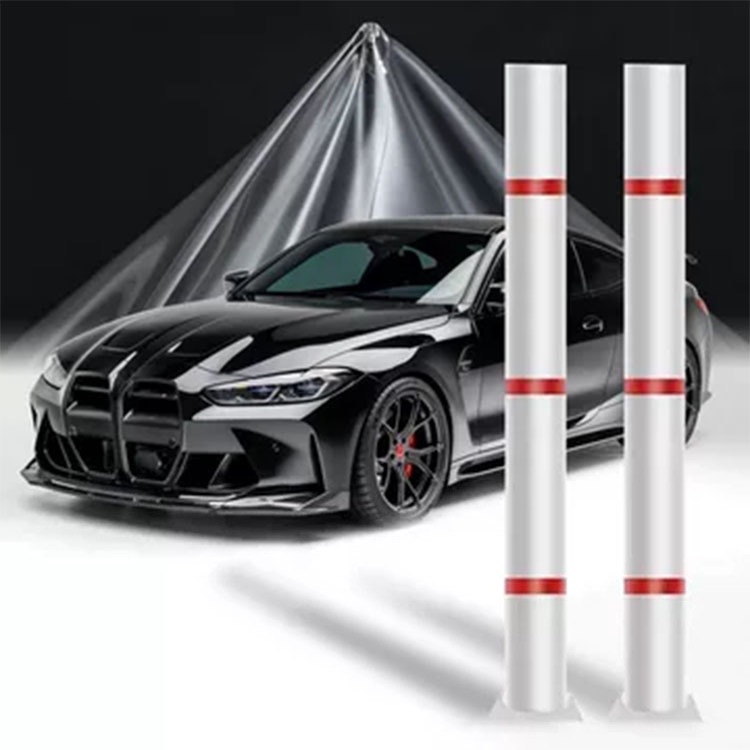
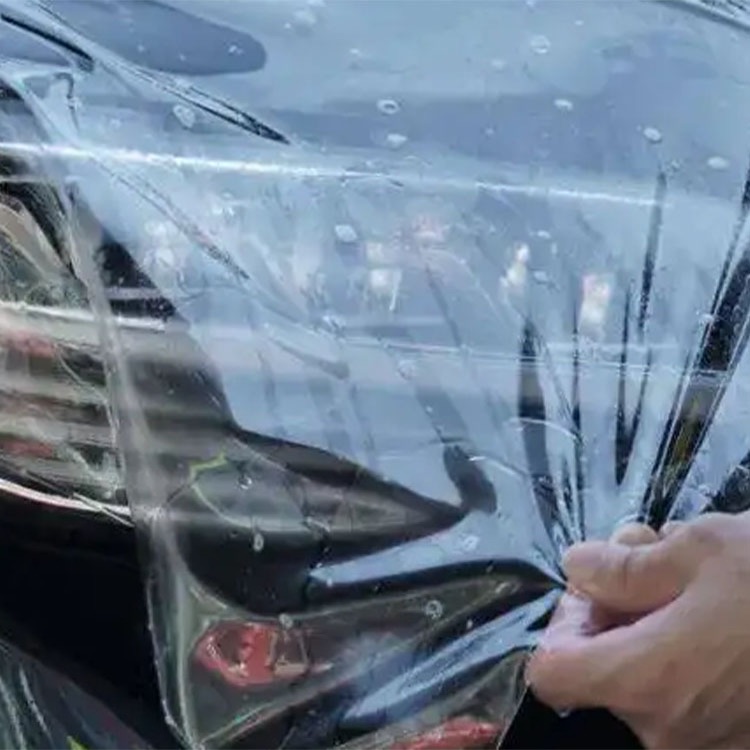
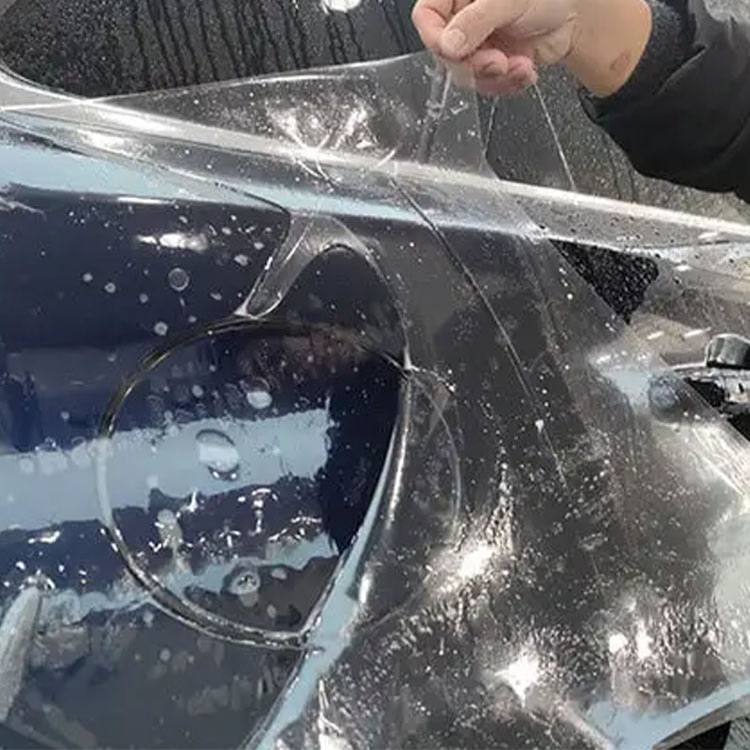
TPU PPF, or TPU paint protection film, is not just a transparent plastic roll. It is a stack of decisions: thermoplastic polyurethane substrate, top coating, pressure-sensitive adhesive, release liner, gloss level, hydrophobic behavior, anti-yellowing chemistry, batch consistency, packaging, warranty language, and after-sales accountability.
I’ve watched dealers lose more money from one bad batch than they “saved” across three container orders. One installer rejects a roll. Then two. Then a regional wholesaler gets screenshots from angry shops. Suddenly the “cheap” film costs refund money, reinstallation labor, reputation damage, and dead inventory.
That is why the OEM vs wholesale PPF decision matters.
If you are building a private-label PPF brand, OEM TPU PPF may be the smarter path. If you are testing a new market, moving fast, or supplying installers who care more about stable availability than custom cartons, wholesale TPU PPF may be enough.
But do not confuse simple with safe.
OEM TPU PPF vs Wholesale TPU PPF: The Difference Dealers Actually Feel
OEM TPU PPF means the manufacturer produces film under your brand, packaging system, specification sheet, warranty language, and sometimes your selected coating, adhesive, thickness, gloss, roll size, or product naming structure. Wholesale TPU PPF means you buy existing manufacturer-controlled film lines in bulk, usually faster, often with lower customization pressure, and less brand ownership.
That sounds neat on paper.
It is not neat in a warehouse.
OEM is slower, more political, and more demanding. You have to approve samples, lock specifications, confirm packaging, manage label claims, prepare data sheets, and own the brand promise. Wholesale is faster, but the supplier owns more of the product identity. If another dealer buys the same film, your “exclusive” market story starts to wobble.
For dealers comparing both routes, a manufacturer with private-label capability matters. Keentop’s OEM/ODM window film and PPF manufacturing support is positioned around private-label film programs, sample confirmation, packaging coordination, and B2B supply for distributors, importers, wholesalers, installers, and brand owners. That is the kind of internal link I would use early because it matches the buyer’s core question.
Here is the clean comparison.
Buying Factor
OEM TPU PPF
Wholesale TPU PPF
Hard Truth for Dealers and Importers
Brand control
High: logo, label, carton, product naming, private-label story
Lower: usually supplier’s existing product line
OEM helps you build brand equity; wholesale helps you move faster
MOQ pressure
Usually higher because customization takes setup
Usually lower or more flexible
Low MOQ is good for testing, but repeated small orders can hurt landed cost
Time to market
Slower due to sampling, artwork, approvals, production scheduling
Faster because stock or standard production is easier
Wholesale wins when your installer network needs product now
Warranty exposure
Mostly yours in the market, even if factory backs you
Shared or supplier-led depending on contract
Your printed warranty can become legal evidence, so write it carefully
Product differentiation
Stronger if specs, packaging, and positioning are controlled
Weaker if many dealers buy similar rolls
If you sell only on price, somebody cheaper will always arrive
Compliance risk
Higher because you control claims and labels
Lower, but not zero
“Made in,” “self-healing,” “10-year warranty,” and “PFAS-free” claims need proof
New dealers, installers, market testers, fast-moving wholesalers
Start wholesale if unsure; move OEM when repeat demand is proven
The Market Is Growing, But That Does Not Mean Every Roll Is Worth Buying
The PPF market is not dead. Far from it.
MarketsandMarkets projected the paint protection films market to reach USD 1,549.4 million by 2030, up from USD 1,092.7 million in 2025, with a 7.2% CAGR from 2025 to 2030 in its paint protection films market forecast. The same report identifies TPU, PVC, and PET as major material types and names automotive and transportation as a major end-use sector.
That growth number is seductive. But it can make importers stupid.
More demand does not guarantee your batch will install well on a Porsche Macan hood, a Tesla Model Y bumper, a Toyota Land Cruiser mirror cap, or a BMW M3 carbon roof trim. Demand does not fix weak adhesive. It does not save a cloudy top coat. It does not rescue a film that turns yellow after six months in Dubai, Riyadh, Miami, Manila, or Melbourne.
Here is what I would ask before buying bulk PPF rolls for importers:
The Specs I Would Demand Before Paying a Deposit
Ask for the boring documents. The boring documents save money.
For TPU clear film, I would ask for film thickness, adhesive thickness, coating type, gloss value at 60°, haze percentage, tensile strength, elongation at break, peel adhesion after 24 hours, UV aging test method, anti-yellowing result, hydrophobic contact angle, roll width, roll length, storage conditions, shelf life, batch code system, and warranty exclusions.
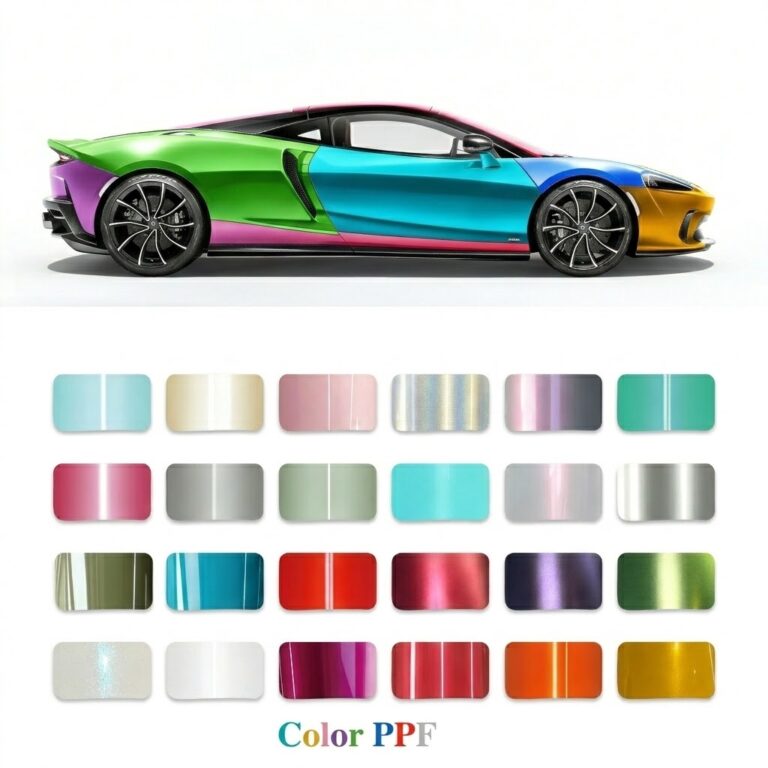
For color PPF, I would add Delta E color tolerance, gloss retention, UV stability, orange-peel rating, color card version control, and whether the manufacturer can repeat the same red, black, grey, pearl, or satin finish six months later. Keentop’s wholesale premium self-healing TPU color PPF page fits naturally here because color PPF buyers care about vibrant finishes, self-healing behavior, corrosion resistance, UV exposure, and residue-free removal.
For clear protection programs, link to a product-level page such as hydrophobic TPU clear PPF film for auto aftermarket buyers. Clear TPU PPF is the bread-and-butter category for dealers because installers need clarity, anti-yellowing performance, hydrophobic top coating, and predictable bulk roll supply.
Short test. Long consequences.
A sample roll is not enough if you only install it on one flat panel under perfect shop lighting. Test bumpers, mirrors, door cups, hood edges, and repainted panels. Then leave samples in sun, heat, moisture, wash chemicals, and customer abuse. That is where fake confidence dies.
OEM Is for Brand Builders, Not Logo Tourists
I have a blunt rule: do not choose OEM TPU PPF just because you want your logo on a carton.
That is vanity.
OEM only makes sense when you are ready to own positioning, warranty, training, data sheets, packaging, installer education, and repeat-order forecasting. A private-label TPU PPF brand needs more than a nice box and a fake premium name. It needs a coherent product ladder.
Example structure:
Entry Clear TPU PPF
This is the film for price-sensitive installers, used-car dealers, fleet accounts, and lower-ticket jobs. It should still have acceptable clarity, stretch, adhesive stability, and removal behavior. Do not let “entry” become a polite word for “garbage.”
Premium Hydrophobic TPU PPF
This is your margin layer. Sell it on gloss, water beading, self-healing, anti-yellowing, cleaner installation, and stronger warranty positioning. Pair this with installer training and clear claim limits.
Color TPU PPF and Glossy Black PPF
This is your showroom bait. Dealers love visual products because customers understand them quickly. A roof in piano black. Mirror caps in gloss black. A satin grey full-body wrap look with paint protection. Keentop’s wholesale glossy black TPU PPF for auto detailers fits this commercial use case because glossy black PPF is aimed at roofs, trims, hoods, mirrors, wrap shops, customization studios, and detailing businesses.
And yes, color PPF creates headaches.
Batch color drift is real. Installer scratch complaints are real. Gloss black swirl complaints are brutally real. If your supplier cannot talk clearly about coating hardness, top-coat recovery, gloss retention, packaging pressure, and storage temperature, do not build a premium private-label story on that film.
Wholesale TPU PPF Is Not “Low-End.” It Is a Different Weapon
Wholesale TPU PPF is often the smarter first move.
Dealers entering a new region need product-market proof before they create cartons, SKUs, warranty cards, social assets, distributor agreements, and local-language labels. Wholesale lets you test real installer behavior with less brand baggage.
But here is the trap.
Some dealers treat wholesale buying like gambling. They buy mixed rolls from random paint protection film suppliers, change sources every quarter, and then wonder why installers complain about inconsistent stretch, tack, gloss, liner release, and edge lifting.
Pick a lane.
If you buy wholesale, still build a specification baseline. Use the same product name internally. Track batch codes. Record installer complaints by vehicle model, panel type, climate, and installation fluid mix. Ask the supplier for repeat-order matching, not just a lower invoice.
A broad supplier catalog helps when you want one partner across PPF, automotive window films, architectural films, and functional films. That makes Keentop’s B2B automotive film product catalog a relevant internal link for importers who want more than one film category from the same manufacturer.
The Compliance Risk Nobody Wants to Discuss
Now the uncomfortable part: claims.
Dealers and importers love aggressive claims because claims sell. “10-year warranty.” “Self-healing.” “Anti-yellowing.” “PFAS-free.” “Made in USA.” “German technology.” “Nano ceramic.” “OEM grade.” “Factory direct.”
Some of those claims may be defensible. Some are marketing fog. Some can become expensive.
The FTC says a product advertised as Made in USA has traditionally had to be “all or virtually all” made in the United States, according to its Made in USA business guidance. That matters if an importer buys overseas TPU PPF, repackages it locally, and then gets loose with origin language.
The penalties are not theoretical.
Reuters reported in April 2024 that Williams-Sonoma agreed to pay a USD 3.18 million civil fine to settle FTC charges over false “Made in USA” claims in a Made in USA enforcement report. The FTC also finalized action against Lions Not Sheep after alleging the company added phony Made in USA labels to apparel imported from China and other countries, as shown in the FTC’s Lions Not Sheep enforcement release.
Different industry. Same warning.
If you import TPU PPF and build a private-label brand, your packaging copy is not decoration. It is evidence.
PFAS, Coatings, and the Next Wave of Buyer Questions
Another issue is chemical scrutiny.
The EPA’s PFAS page notes final regulatory determinations announced with the April 10, 2024 PFAS drinking water rule for PFHxS, PFNA, HFPO-DA, PFBS mixtures, and related substances in its PFAS regulatory update. PPF is not drinking water. I know. But coatings, repellency claims, stain resistance, and hydrophobic performance increasingly push buyers to ask what is inside the chemistry.
Do not wait for a regulator or a major fleet buyer to ask first.
Ask your PPF manufacturer for SDS files, RoHS/REACH-related statements where applicable, coating chemistry declarations, and written limits around unsupported claims. If the supplier dodges every compliance question, that tells you something.
Counterfeit and IP Pressure Is Also Rising
The EU reported that authorities detained 112 million counterfeit items worth €3.8 billion in 2024, with 2024 detentions up over 30% versus 2022, according to the European Commission’s IP enforcement update.
That number is not about TPU PPF alone. But importers should read it as a warning about packaging, trademarks, distributor exclusivity, false brand associations, and suspiciously cheap “same factory” offers.
I dislike the phrase “same quality.” It usually means nothing.
If a seller claims its wholesale TPU PPF is “same as Brand X,” ask for proof, then prepare to walk away. Serious manufacturers discuss specifications. Weak traders whisper brand names.
What Should Dealers Buy: OEM or Wholesale TPU PPF?
Dealers should buy wholesale TPU PPF first when they need speed, lower starting risk, flexible testing, and fast installer feedback; they should buy OEM TPU PPF when they already have repeat demand, a channel strategy, warranty discipline, and the budget to build a defensible private-label product line.
That is my opinion.
And it will annoy some suppliers.
For a new dealer, wholesale TPU PPF is usually smarter. Start with clear PPF, maybe one premium hydrophobic option, and one visual product such as glossy black or color PPF. Sell it to real installers. Track failures. Study which vehicles, climates, and panels create problems.
Then move to OEM.
For an importer with established channels, OEM makes more sense. You can negotiate packaging, roll labels, carton marks, technical documents, exclusive SKUs, regional positioning, and long-term supply rules. You can also build a better margin story because you are not just reselling somebody else’s generic film.
But OEM without discipline is just expensive decoration.
My Dealer Buying Framework: The 5-Test Rule
Before choosing OEM or wholesale TPU PPF, I would run five tests.
1. The Installer Complaint Test
Give sample rolls to three types of installers: a premium shop, a mid-tier busy shop, and a price-sensitive volume shop. Ask them about stretch, tack, adhesive repositioning, liner release, orange peel, gloss, edge lifting, and installation time.
Do not ask, “Is it good?”
Ask, “Would you use this on a customer’s BMW X5 front bumper if you had to warranty the job?”
2. The Climate Test
A film that behaves in Germany may fail in Saudi heat. A film that installs well in Shanghai may behave differently in Florida humidity. Test heat, UV exposure, wash chemicals, and storage conditions.
3. The Batch Repeat Test
Order again. Then compare.
If the second batch feels different, looks different, smells different, stretches differently, or releases from the liner differently, stop pretending you have a supply chain. You have a lottery ticket.
4. The Warranty Language Test
Read your warranty like a hostile lawyer.
Does it define yellowing? Does it define stain resistance? Does it exclude repaint panels? Does it mention improper installation, harsh chemicals, automatic car washes, racing use, industrial fallout, bird droppings, and edge lifting caused by contamination?
A warranty that promises everything protects nobody.
5. The Supplier Response Test
Ask the paint protection film supplier a technical question and watch the response speed. Not the sales speed. The technical speed.
If the answer is only “our quality very good,” move on.
A serious PPF manufacturer for dealers should talk about sample confirmation, product matching, bulk production, packaging support, inspection, technical data, and repeat-order consistency. Keentop’s technical innovation and film category page is a useful internal link around R&D, coatings, processes, and product categories.
Claims, data sheets, packaging law, exclusivity terms
Car accessory distributor
Hybrid
Wholesale for fast sellers, OEM for hero SKUs
SKU overload and inventory cash drain
Color PPF specialist
OEM or controlled wholesale
Color repeatability and finish control matter
Delta E, gloss retention, UV stability, swirl complaints
The Strong Opinion: Hybrid Buying Beats Ideology
Here is the move I trust most: hybrid sourcing.
Start wholesale. Learn the market. Identify which clear TPU PPF, hydrophobic TPU PPF, color PPF, and glossy black PPF products actually sell. Then convert only proven winners into OEM private-label SKUs.
Do not OEM everything.
That is how dealers drown in cartons.
A smart importer might keep standard clear PPF as wholesale, launch premium hydrophobic clear PPF under OEM packaging, test color PPF slowly, and reserve glossy black PPF for detailers and customization shops that already understand maintenance risk. That blend protects cash flow while building brand equity.
The goal is not to look big. The goal is to survive reorders.
FAQs
What is the difference between OEM TPU PPF and wholesale TPU PPF?
OEM TPU PPF is paint protection film manufactured under your brand, packaging, specifications, and warranty structure, while wholesale TPU PPF is bulk film purchased from a supplier’s existing product line with less customization, faster ordering, and usually lower entry pressure for dealers, installers, and importers.
The practical difference is control. OEM gives you a brand asset. Wholesale gives you speed. If your business depends on private-label margin, OEM is the better long-term route. If you are still testing installers, prices, and local demand, wholesale TPU PPF is usually safer.
Should dealers buy OEM or wholesale TPU PPF first?
Dealers should usually buy wholesale TPU PPF first when entering a new market because it allows faster testing, lower packaging complexity, smaller risk exposure, and real installer feedback before committing to OEM branding, custom cartons, warranty cards, technical documents, and larger production planning.
Once repeat demand is proven, OEM becomes more attractive. That is when you can build a branded product ladder, negotiate better packaging, control market positioning, and stop competing only on roll price.
What should importers check before buying bulk PPF rolls?
Importers should check TPU substrate quality, film thickness, adhesive behavior, liner release, hydrophobic coating, anti-yellowing performance, batch coding, warranty terms, packaging durability, storage conditions, customs documents, compliance statements, and repeat-order consistency before buying bulk PPF rolls from any paint protection film supplier.
I would also demand sample testing across real vehicles and climates. A clean sample on a flat demo panel does not prove the film is ready for bumpers, mirrors, hoods, door cups, or hot-weather installation work.
Is TPU PPF better than PVC or PET PPF?
TPU PPF is generally preferred for premium automotive paint protection because thermoplastic polyurethane offers better flexibility, stretch, self-healing potential, impact resistance, and long-term surface recovery than many lower-cost PVC or PET film options used in more price-sensitive protection applications.
That does not mean every TPU PPF is good. Weak coating, poor adhesive, bad storage, unstable production, and vague warranty terms can ruin a TPU film. Material type matters, but supplier discipline matters more.
How do I choose a PPF manufacturer for dealers?
Choose a PPF manufacturer for dealers by checking whether the supplier can provide stable TPU PPF quality, OEM/ODM support, wholesale roll supply, private-label packaging, sample confirmation, technical documents, batch consistency, responsive communication, and practical support for distributors, importers, wholesalers, and professional installers.
Do not choose only by price. Choose by how the supplier behaves when you ask difficult questions about adhesive, yellowing, warranty claims, chemical documents, batch repeatability, and installer complaints.
Final Thoughts: Buy Like a Dealer, Not a Tourist
OEM vs wholesale TPU PPF is not a philosophical debate. It is a cash-flow decision, a warranty decision, a branding decision, and a risk decision.
If you are still proving demand, buy wholesale TPU PPF and test hard. If you already have installers, distributors, or regional buyers asking for repeat supply, move your best-selling products into OEM TPU PPF. If you want both speed and brand control, use a hybrid model.
My recommendation is simple: start with clear TPU PPF, validate installer feedback, add color or glossy black PPF only when your channel can handle appearance-driven complaints, and never print a claim on a box that your lab data, supplier contract, and warranty language cannot defend.