
Table of Contents
The Distributor Standard Is Moving Up, Whether Cheap Suppliers Admit It or Not
Cheap film fails.
I have seen too many distributors chase a low roll price, celebrate the first container margin, and then spend the next six months absorbing installer complaints, warranty arguments, yellowing photos, adhesive residue disputes, and the kind of quiet customer churn that never appears in a supplier’s sales pitch.
So here is the uncomfortable question: if the cheapest PPF makes your buyers nervous, your installers slower, and your repeat orders weaker, was it ever cheap?
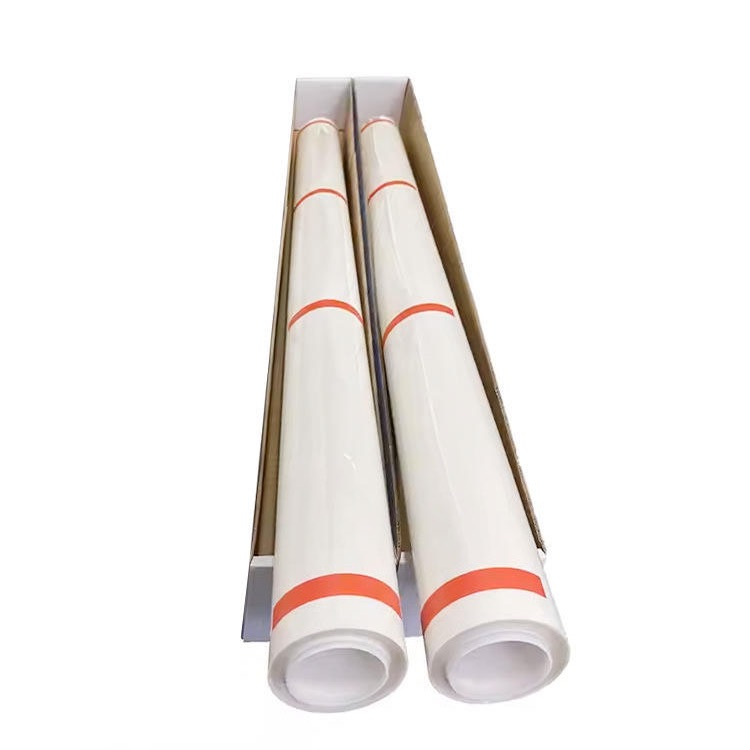
My answer is blunt. Premium TPU PPF is becoming the new standard for serious paint protection film distributors. Not because every buyer suddenly became rich. Not because “premium” sounds pretty in a catalog. It is happening because the risk profile of low-grade film is getting uglier, while the economics of good TPU paint protection film are getting easier to defend.
Distributors no longer sell “a roll.” They sell installer confidence, complaint reduction, stock stability, and brand trust. That is why more B2B buyers are studying wholesale hydrophobic TPU clear PPF film before they commit to a private-label line.
And yes, some suppliers hate hearing this.
The Data Says PPF Is Not a Boutique Upsell Anymore
The lazy argument says PPF is still a high-end niche. I do not buy it.
Look at the public-company signal. In XPEL’s 2025 annual report filed with the U.S. SEC, paint protection film revenue reached $249.4 million in 2025, up 10.0% from 2024, and represented 52.4% of total consolidated revenue. Total revenue was $476.2 million. That is not hobby money. That is a real channel, with direct sales, distributors, installers, software, labor, and repeat buying behavior all tied together in one machine. Read the filing here: XPEL 2025 Form 10-K on SEC.gov.
Now add the repair-cost pressure. The U.S. Bureau of Labor Statistics reported in its May 2026 CPI release that motor vehicle maintenance and repair prices were up 6.1% over 12 months, while motor vehicle body work was up 6.8%. That matters because PPF is not sold in a vacuum. It is sold against the cost of repainting, body work, resale loss, and customer anxiety. Source: BLS Consumer Price Index News Release.
More driving means more exposure. The Federal Highway Administration’s Spring 2025 VMT forecast projects total vehicle miles traveled rising at an average annual rate of 0.6% from 2023 to 2053, with light-duty VMT rising 0.5% per year. More miles. More debris. More bumper chips. More hood damage. Source: FHWA 2025 Vehicle Miles Traveled Forecast.
That is the real demand engine behind premium TPU PPF. Not hype. Wear.
Premium TPU PPF vs Commodity Film: What Distributors Actually Compare
Distributors should stop asking, “What is the price per roll?” first. That question comes too early.
Ask this instead: what does this roll cost after waste, rework, yellowing claims, returned stock, installer rejection, and lost repeat orders?
Here is the buyer-side comparison I would use before approving a wholesale PPF film supplier.
| Evaluation Point | Premium TPU PPF | Commodity PVC/TPH-Style Film | Why Distributors Should Care |
|---|---|---|---|
| Base material | Thermoplastic polyurethane, usually positioned for flexibility and impact resistance | Lower-cost blends or weaker resin systems | Material quality affects stretching, conformability, durability, and warranty confidence |
| Self-healing | Heat-assisted repair of light surface marks in better top-coat systems | Often weak, inconsistent, or marketing-heavy | Installers can demonstrate this feature to justify premium pricing |
| Anti-yellowing performance | Better UV stability when top coat, adhesive, and base film are properly engineered | Higher risk of discoloration, especially on white vehicles | Yellowing photos kill distributor credibility fast |
| Adhesive behavior | Cleaner release, better repositioning, less residue when specified properly | More risk of glue marks, edge lift, or removal damage | Adhesive complaints are expensive because they involve labor and trust |
| Optical clarity | High transparency with lower haze in clear PPF | Possible orange peel, haze, or distortion | Premium vehicle owners notice finish quality immediately |
| Installer acceptance | Usually easier to sell into professional shops | Often tolerated only when customers demand low price | Installer preference drives repeat orders |
| Distributor margin | Higher entry cost, stronger value story | Lower entry cost, weaker defense against price wars | Cheap film invites cheap competition |
The hard truth is simple. A distributor can survive with a cheap film for a while, but it is difficult to build a respected regional brand on film that installers secretly dislike.
The New Distributor Checklist: Clarity, Adhesive, Self-Healing, Yellowing, and Stock Turns
Every distributor wants “the best TPU PPF for distributors.” Fair. But that phrase is useless unless we define the buying standard.
I would check five things before placing a serious bulk order.
1. Optical clarity under real shop lighting
Do not judge TPU PPF only on a white sample card. Put it on a curved black panel, a white painted panel, and a metallic painted panel. Look at it under LED shop lights and daylight.
If the film has haze, orange peel, or uneven gloss, installers will find it before your sales team does.
For transparent protection lines, distributors should evaluate products like clear TPU paint protection film for auto aftermarket buyers with actual install tests, not only catalog claims.
2. Adhesive release and residue limits
Bad adhesive is where margin goes to die.
A distributor may not see the problem on day one. The installer sees it when repositioning is poor. The customer sees it when edges lift. The warranty team sees it when removal leaves residue. And by then, everyone is angry.
I prefer suppliers who can discuss tack, release liner behavior, residue risk, roll aging, and storage conditions in plain language. If they only repeat “imported glue” or “high quality adhesive,” push harder.
3. Self healing TPU PPF that can be demonstrated
Self-healing is not magic. It is top-coat chemistry.
Light swirl marks can recover under heat when the top coat is properly formulated, but deep cuts, stone impacts, and torn film will not disappear. Distributors should train sales teams to explain this honestly. Overselling self-healing creates future complaints.
For wrap shops and customization channels, self-healing TPU color PPF gives distributors a stronger story because it combines surface protection with visual styling. That matters in markets where customers want both protection and personality.
4. Anti yellowing paint protection film claims with evidence
This is where the industry gets slippery.
Everyone says “anti-yellowing.” Fewer suppliers explain the test method, UV exposure conditions, adhesive stability, top-coat formula, or warranty boundary. I am not impressed by a single clean sample photo. I want aging data, sample retention, batch tracking, and a supplier who understands why white vehicles expose weak film faster.
When a distributor sells anti yellowing paint protection film, the customer hears a promise. If the film turns warm, cloudy, or stained, the distributor owns that promise.
5. Product mix for stock turnover
Premium does not mean only clear film.
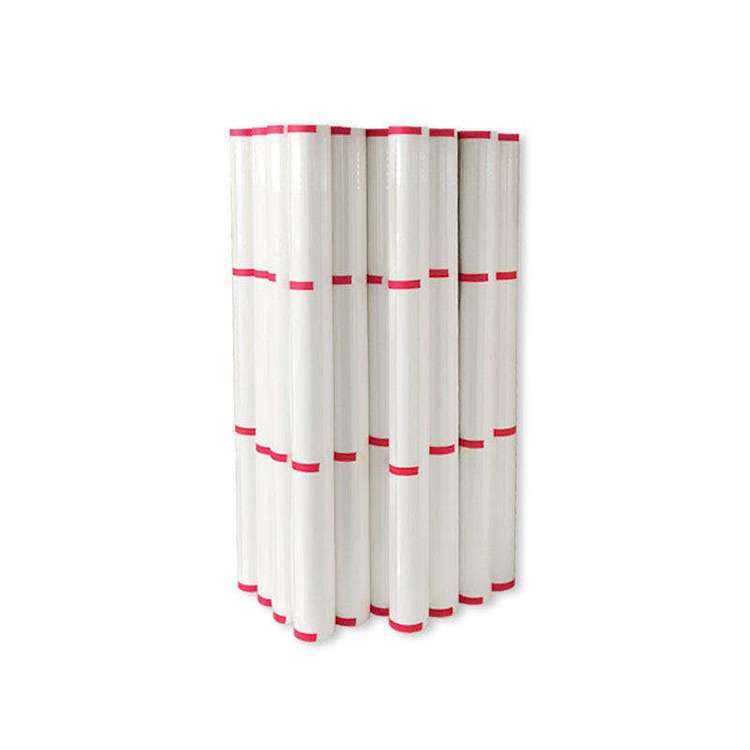
The better distributor strategy is category layering: clear TPU PPF for core protection, gloss black TPU PPF for roofs and trims, color TPU PPF for customization shops, and window films for cross-selling. Keentop’s wider product structure, including automotive window films and architectural solar film for building projects, supports that kind of multi-category buying.
That matters because distributors do not live on one SKU. They live on repeatable turns.
Why “Premium” Is Becoming a Compliance Word, Not Just a Sales Word
Here is an under-discussed shift: chemical transparency is becoming part of distributor risk.
The U.S. EPA’s TSCA Section 8(a)(7) PFAS reporting rule requires companies that manufactured or imported PFAS in any year since 2011 to report certain data, including chemical identity, use categories, production volumes, disposal, exposure, and hazard information. Source: EPA PFAS Reporting and Recordkeeping Requirements.
Does that mean every TPU PPF contains PFAS? No. Do not make that lazy jump.
But it does mean buyers are getting more serious about coatings, additives, top-coat chemistry, import documentation, and supplier accountability. Reuters also reported on the U.S. move to designate PFOA and PFOS as hazardous substances under Superfund rules, which reinforces the broader direction: chemical claims are being watched more closely, not less. Source: Reuters on U.S. PFAS hazardous substance designation.
So when a distributor asks for premium TPU PPF, they are not only asking for gloss. They are asking for lower commercial risk.
That is the part many factories still miss.
Wholesale PPF Film Is Becoming a Supply-Chain Product, Not Just a Roll
I hear one complaint from distributors again and again: “The sample was good, but the bulk order felt different.”
That sentence should terrify any supplier.
Wholesale PPF film is not only about resin, coating, and adhesive. It is about batch consistency, packaging, carton strength, roll tension, storage guidance, export documentation, private-label coordination, and how fast the factory answers when something goes wrong.
This is why distributor support now matters almost as much as film performance. Keentop positions its OEM/ODM window film and PPF manufacturing support around private label, flexible MOQ, sample confirmation, packaging coordination, and B2B supply. That is the right direction because distributors need repeatable systems, not random lucky batches.
A roll is inventory. A system is a business.
Where Premium TPU PPF Still Fails
Let’s not pretend premium TPU PPF solves everything.
It does not.
Premium film can still fail when installers overstretch edges, prep paint badly, use contaminated slip solution, store rolls in heat, mix old and new batches, or sell unrealistic durability claims. It can also fail when a distributor copies a competitor’s product range without understanding local climate, vehicle mix, installer skill level, and end-customer price tolerance.
But that is exactly why premium TPU paint protection film is becoming the standard. It gives distributors more room for error. It gives installers better handling. It gives sales teams a stronger story. It gives private-label brands fewer embarrassing surprises.
And in this industry, fewer surprises are worth money.
My Take: The Standard Has Already Changed
Is TPU PPF the new standard? For professional distributors, yes — but with one condition.
The standard is not just “TPU.” Low-grade TPU exists. Overhyped TPU exists. Pretty sample books can lie.
The new standard is premium TPU PPF backed by verifiable performance, stable supply, realistic claims, clear distributor support, and product categories that help buyers build a serious local business.
The distributors who understand this will move upmarket. The ones who keep buying only by roll price will become price-list traders, always one cheaper supplier away from losing the account.
I would rather build the brand.
FAQs
What is TPU PPF?
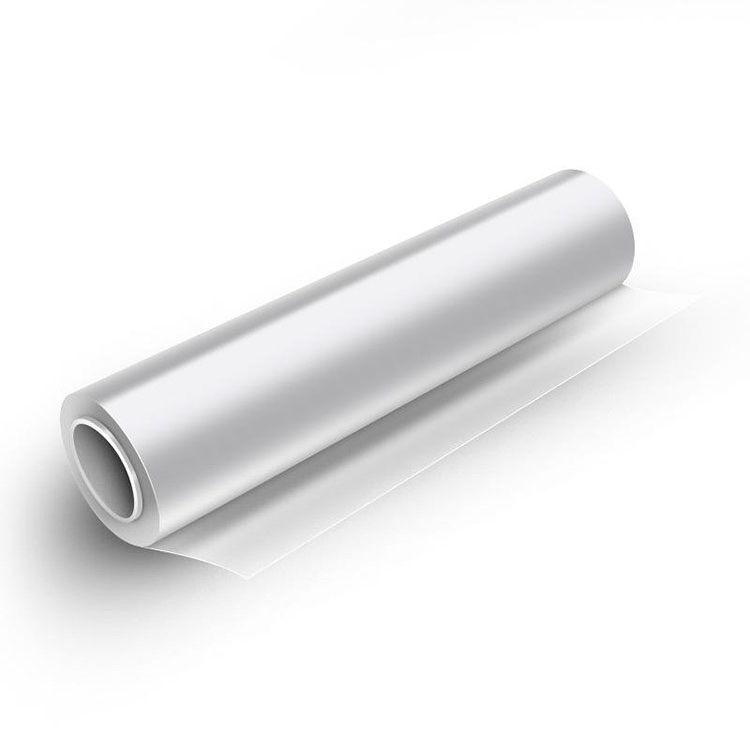
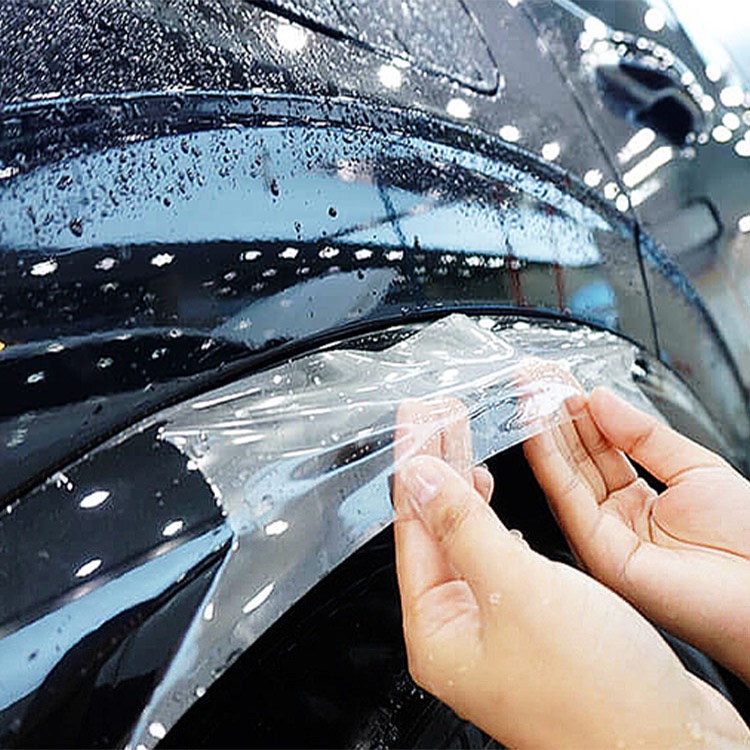
TPU PPF is a thermoplastic polyurethane paint protection film applied over automotive paint to resist light scratches, road debris, UV exposure, stains, and daily wear while preserving the original finish and, in premium grades, offering heat-assisted self-healing, high optical clarity, stable adhesion, and anti-yellowing performance.
For distributors, TPU PPF is attractive because it can be positioned as a premium protective product for detail shops, wrap shops, dealership packages, and private-label automotive film programs.
Is premium TPU PPF becoming the new standard for distributors?
Premium TPU PPF is becoming the practical distributor standard because buyers now judge film by installer success, warranty risk, optical finish, adhesive behavior, yellowing resistance, and repeat-order stability, not just by the lowest roll price or a supplier’s glossy product photo.
The shift is strongest in markets where professional installers influence purchasing decisions. Once installers reject a film, distributors usually lose reorder momentum.
What should distributors check before buying wholesale PPF film?
Distributors should evaluate wholesale PPF film by verified TPU grade, top-coat self-healing behavior, UV/QUV aging data, adhesive residue limits, roll width options, batch consistency, packaging strength, technical documents, sample testing, and supplier support for private-label or OEM/ODM programs before committing inventory capital.
A smart distributor should test samples on real painted panels, not only examine sample swatches. Installation behavior matters as much as brochure specifications.
Is self healing TPU PPF worth the higher cost?
Self healing TPU PPF is worth the higher cost when the distributor sells into professional detail shops, luxury vehicle channels, dealership packages, or installer networks where fewer comeback complaints, better gloss retention, cleaner demonstrations, and stronger warranty positioning can protect margin.
It is not worth overselling. Self-healing usually applies to light surface marks, not deep cuts or major impact damage.
How do I choose the best TPU PPF for distributors?
The best TPU PPF for distributors is the film that combines repeatable roll quality, controlled adhesive release, credible anti-yellowing performance, installer-friendly handling, stable factory communication, realistic MOQ, clear warranty language, and product categories that match the buyer’s actual local demand.
Do not choose only by price. Choose by how well the film helps your buyers make money without creating after-sales headaches.
Your Next Step: Test the Film Before You Put Your Brand on It
If you distribute PPF, do not let a supplier’s brochure make the decision for you. Request samples, test the film on curved panels, check clarity on black and white paint, ask about adhesive behavior, compare self-healing demonstrations, and review packaging before you scale.
Start with a serious supplier conversation, not a cheap-price negotiation. If you are building a wholesale PPF film program, private-label line, or multi-category automotive film business, review Keentop’s TPU clear PPF, TPU color PPF, and glossy black TPU PPF options, then request samples and bulk pricing before your competitors lock in the better supply chain.

 English
 Français
 Deutsch
 Italiano
 Español
 Português
 العربية
 Русский