
Indice dei contenuti
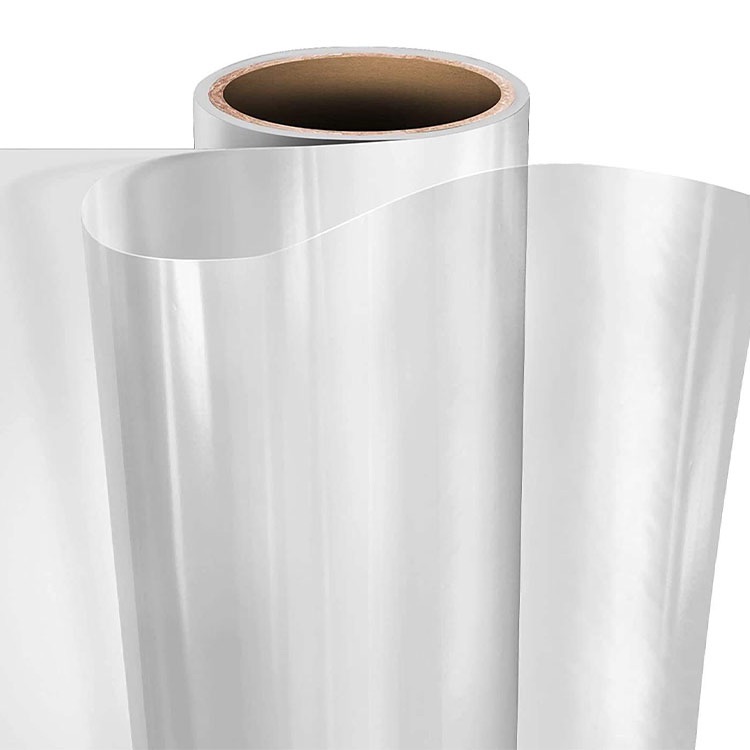
The Industry Sells “Self-Healing” Too Loosely
Cheap film lies.
I know that sounds harsh, but in the PPF business, “self-healing” has become one of those sales phrases that gets thrown into catalogs, Alibaba listings, sample books, and distributor decks without enough proof behind it. What does it even mean if the film only hides a hairline mark under a heat gun for ten seconds?
Self healing PPF is not paint that repairs itself. It is not a force field. It is not a miracle sheet that makes stone chips disappear after one sunny afternoon.
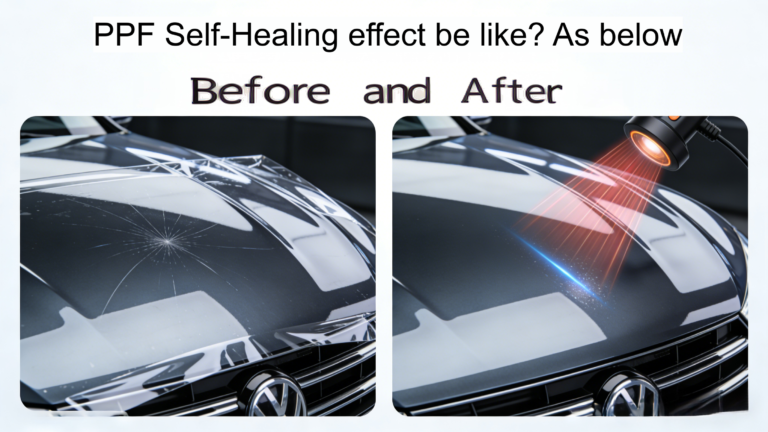
The honest version is better: self healing PPF is a TPU paint protection film with an elastic, heat-responsive top coat that can recover from light surface scratches, swirl marks, towel marring, and shallow scuffs when exposed to warmth from sunlight, warm water, engine heat, or controlled hot air.
That’s the part buyers need to understand before they spend money.
And here is my blunt take: most PPF failures blamed on “bad installers” are really a triangle of weak top coat, unstable adhesive, and unrealistic sales language. Installers get dragged into the argument because they touched the car last. But the problem often started inside the roll.
For B2B buyers comparing film categories, the right starting point is not a random price sheet. It is a proper look at TPU paint protection film options and what the film is actually built to do.
The Real Structure: Top Coat, TPU, Adhesive, and Liner
A self healing PPF roll is not one material. It is a stack.
The PPF self healing coating sits on top. Under it sits the TPU base film. Under that sits adhesive. Then comes the release liner, which installers remove during application.
Simple? Not really.
Because each layer has a job, and if one layer is weak, the whole film behaves badly in the shop. A glossy top coat can still sit on poor TPU. A strong TPU layer can still fail with unstable adhesive. A beautiful sample can still turn into a disaster after summer heat, road salt, pressure washing, and three months of customer impatience.
The PPF Top Coat Does the Visible Healing
The top coat is where most visible paint protection film heat recovery happens. When a light scratch deforms the surface, heat softens the coating enough for polymer chains to move, relax, and level back toward their earlier shape.
Heat does work.
But the mechanism is not unlimited, and anyone selling self-healing as “scratch-proof” is either careless or betting the customer will not understand the difference between a swirl mark and a cut. A top coat can recover from shallow marring because the coating is displaced, not destroyed. But what happens when debris tears through the coating and into the TPU?
Nothing magical.
That damage stays.
A useful comparison comes from polymer coating research. In a 2023 Nature-published study on waterborne polyurethane coatings, researchers evaluated scratch repair by making controlled wounds around 1 mm long and 5 μm wide, then placing samples at 50°C for repair. That does not mean automotive PPF is identical to the lab coating, but it shows the same hard truth: heat-assisted polymer recovery depends on damage depth, chemistry, and controlled conditions. See the study here: Bio-inspired self-healing and anti-corrosion waterborne polyurethane coatings.
TPU Is the Muscle Behind the Coating
TPU stands for thermoplastic polyurethane. In premium self healing PPF, TPU matters because it brings flexibility, elongation, impact absorption, optical clarity, and better shape recovery than cheaper film structures.
That is why serious buyers keep asking about TPU instead of only asking for “transparent film.”
But TPU is not automatically premium. Low-grade TPU exists. Overstretched TPU exists. Hazy TPU exists. Yellowing TPU exists. And yes, some suppliers use the word “TPU” like a shortcut for quality when the actual film still performs like a corner-cut product.
If you are comparing transparent protection lines, start with a product built for clarity, hydrophobic surface behavior, and bulk aftermarket use, such as hydrophobic TPU clear PPF for auto aftermarket buyers.
What Heat Recovery Can and Cannot Fix
Here is the line I wish more sales teams would say out loud: heat activated self healing PPF repairs light surface marks, not physical destruction.
That sentence would save everyone money.
Self healing works best on wash swirls, microfiber drag marks, light fingernail marks near handles, and soft scuffs from daily use. It may respond to sunlight on a hot day, warm water, or a controlled heat gun. In many shops, installers demonstrate this with a brass brush, a light scuff, and warm air.
Fine. Demonstrations sell.
But demonstration damage is not road damage. A gravel strike at highway speed is a different event. A scraper mark is different. A deep cut from a blade is different. A torn edge from poor trimming is different. When the coating is gouged away, there is no “memory” left to restore.
| Damage Type | Can Self Healing PPF Recover? | Usual Trigger | Hard Truth |
|---|---|---|---|
| Light swirl marks | Yes, often | Sunlight, warm water, heat gun | Depends heavily on top-coat quality |
| Towel marring | Yes, if shallow | Moderate heat | Common in detailing shops |
| Fingernail marks near door cups | Often | Warm water or sunlight | Good sales demo area |
| Bird dropping stain | Maybe, not guaranteed | Cleaning plus heat | Chemical etching can beat the coating |
| Stone chip impact | No, not fully | Nessuno | The film may protect paint, but the film can scar |
| Blade cut | No | Nessuno | Cut film is cut film |
| Edge lift from bad prep | No | Nessuno | Adhesive/install issue, not coating recovery |
Now look at the economics behind customer anxiety. The U.S. Bureau of Labor Statistics reported in its May 2026 CPI data that motor vehicle maintenance and repair was up 6.1% over 12 months, while motor vehicle body work was up 6.8%. That is why PPF is not just a vanity product anymore. It is sold against repainting, labor, downtime, and resale risk. Source: Comunicato stampa dell'Ufficio Statistico del Lavoro (BLS) sull'indice dei prezzi al consumo.
So when a customer asks, “Will self healing PPF stop scratches?” the answer should be disciplined.
It reduces visible light surface damage. It does not make the vehicle immune.
Why Top-Coat Chemistry Separates Real Film From Brochure Film
The best self healing paint protection film is not the film with the loudest catalog claim. It is the film that performs after installation, cleaning, storage, shipping, and months of UV exposure.
That is boring.
It is also where money is made.
A quality PPF top coat must balance gloss, stain resistance, hydrophobic behavior, surface slip, repair response, UV resistance, and adhesion to the TPU substrate. Push one too far and another can suffer. Too soft, and the film marks easily. Too hard, and it may lose recovery behavior. Too glossy, and orange peel becomes more visible. Too aggressive in marketing, and the warranty team inherits the bill.
For color-change and wrap-shop channels, the top coat has an even harder job because it must protect the finish while maintaining the visual style customers paid for. That is why a product like Pellicola protettiva in TPU autocurante colorata fits a different sales conversation than plain clear film. It is protection plus appearance. Not one or the other.
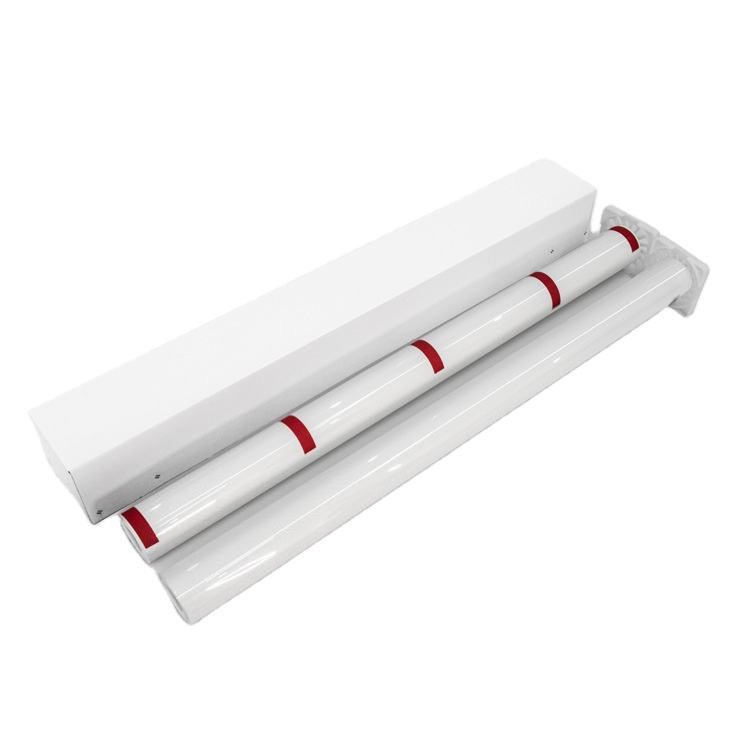
The Insider Test I Would Use
I would not approve a wholesale self healing PPF line from a sample book alone.
I would test it on black paint, white paint, and a curved bumper panel. I would leave installed panels in heat. I would check edge behavior after washing. I would compare gloss under LED shop lighting. I would ask for batch tracking. I would make the supplier explain anti-yellowing claims without hiding behind vague words like “imported raw material.”
And I would scratch the film twice.
Once lightly, to see whether the top coat recovers. Once too deeply, to see whether the sales team admits the limit.
That second test tells you who you are dealing with.
Market Data Says PPF Is No Longer a Tiny Luxury Add-On
The numbers back the channel shift.
MarketsandMarkets projects the paint protection films market to grow from USD 1,092.7 million in 2025 to USD 1,549.4 million by 2030, a 7.2% CAGR. Their forecast specifically points to self-healing films, durable TPU materials, and professional installation services as adoption drivers. Source: Paint Protection Films Market Global Forecast to 2030.
Public-company filings show the same direction from another angle. XPEL’s 2025 Form 10-K reported total revenue of USD 476.2 million. Paint protection film revenue reached USD 249.4 million, up 10.0% from 2024, and represented 52.4% of total consolidated revenue. Source: Modulo 10-K di XPEL per il 2025 su SEC.gov.
That is not hobby money.
That is a mature aftermarket category with distributors, installers, pattern software, training, warranty claims, private label packaging, regional stock planning, and customers who now know enough to ask sharper questions.
For distributors building a wider product range, this is where the internal product map matters. A serious catalog should connect clear TPU PPF, color TPU PPF, gloss black accents, sunroof protection, and adjacent window film products through a coherent buying path. Keentop’s window film, PPF, and specialty film products page is the natural hub for that kind of exploration.
The Distributor Problem: Selling Recovery Without Creating Complaints
The self healing PPF pitch can make money. It can also create warranty chaos.
The problem usually starts with exaggerated language. “Scratch-proof.” “Instant repair.” “Never yellows.” “Lifetime protection.” These phrases sound good until the first customer sends a photo from a white hood after a hot summer.
I have a strong opinion here: professional distributors should train dealers to sell the limitation as part of the value.
Say it clearly. Self healing PPF repairs light surface marks under heat. It protects paint from many daily hazards. It sacrifices itself before the paint does. It will not erase deep cuts, rock impacts, chemical burns, or installation mistakes.
That honesty builds trust.
And yes, it may lose a few unrealistic customers. Good. Those customers were probably going to become complaints anyway.
If you are building a private-label or wholesale line, read a broader distributor-side argument like why premium TPU PPF is becoming the new distributor standard. It connects film quality with installer acceptance, batch stability, and repeat-order economics.
What I Would Ask Before Buying a Roll
Before choosing a supplier, I would ask:
| Buyer Question | Perché è importante |
|---|---|
| What is the top-coat recovery trigger temperature range? | Proves whether “heat recovery” is a tested feature or a slogan |
| What aging test supports anti-yellowing claims? | White vehicles expose weak film fast |
| How stable is adhesive after storage and shipping? | Bad adhesive destroys installer trust |
| Can you supply consistent batches for repeat orders? | Sample-to-bulk mismatch kills distributors |
| What roll widths, MOQ, packaging, and private-label options are available? | Wholesale buyers need a business system, not just a roll |
| What damage is excluded from self-healing claims? | Clear warranty limits prevent future disputes |
Also, watch pricing pressure. If a supplier is far cheaper than everyone else, I do not assume they are generous. I assume something moved: resin grade, coating thickness, adhesive quality, liner cost, QC time, packaging, or after-sales support.
There is always a reason.
For a deeper pricing angle, Keentop’s post on why PPF prices are rising because of film cost, labor, waste, and warranty fits naturally after this article because self-healing performance is one of the reasons buyers pay more for premium film.
So, What Makes PPF Self-Healing?
Self healing PPF works because the surface layer is engineered to recover from shallow deformation when heat increases molecular movement inside the coating. The TPU layer gives the film flexibility and durability, while the coating decides how visible scratches behave after washing, sunlight, warm water, or a heat gun.
But the best answer is layered:
The PPF top coat handles scratch recovery.
The TPU paint protection film provides stretch, clarity, and impact resistance.
The adhesive keeps the system stable on painted panels.
The installer decides whether the film is applied without contamination, overstretching, edge tension, or trimming damage.
The distributor decides whether the product claim is honest enough to survive real customers.
That is the truth the market needs. Not magic. Materials.
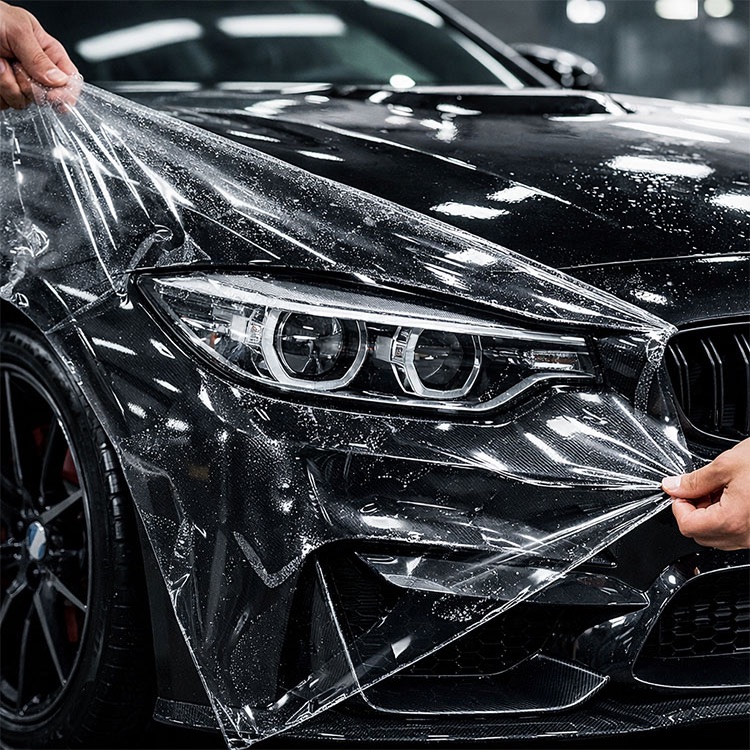
Domande frequenti
What makes PPF self-healing?
Self healing PPF works because a flexible elastomeric top coat sits over TPU paint protection film and can flow back from shallow swirl marks when heat increases molecular mobility, allowing the surface to level without removing material, repainting the panel, or replacing the film. The coating does the visible repair, while the TPU body supports durability, flexibility, and optical clarity.
How does heat activated self healing PPF work?
Heat activated self healing PPF works by using warmth from sunlight, warm water, engine heat, or a controlled heat gun to soften the top coat enough for shallow surface deformation to relax back toward its original smooth shape. This process is most effective on light scratches and wash marring, not deep cuts, torn film, or heavy stone impacts.
Is TPU paint protection film better than PVC or TPH film?
TPU paint protection film is usually better for premium self-healing applications because thermoplastic polyurethane offers stronger flexibility, elongation, impact absorption, and recovery behavior than many lower-cost PVC or TPH-style alternatives. However, TPU alone does not guarantee quality, because coating chemistry, adhesive stability, anti-yellowing performance, and manufacturing consistency still decide real-world results.
Can self healing PPF repair rock chips?
Self healing PPF cannot truly repair rock chips because high-speed debris can physically dent, tear, or puncture the film beyond the shallow deformation range that heat recovery can correct. The film may protect the original paint underneath, which is valuable, but the damaged film surface itself may remain marked or require replacement.
What is the best self healing paint protection film for distributors?
The best self healing paint protection film for distributors is a premium TPU film with proven top-coat recovery, high optical clarity, stable adhesive, credible anti-yellowing data, consistent roll quality, realistic warranty language, and supplier support for samples, packaging, MOQ, private label, and repeat bulk orders. Distributors should test panels before buying inventory, not rely only on brochures.
Final Thoughts: Test the Film Before You Sell the Promise
If you sell self healing PPF, do not sell fantasy.
Sell the mechanism. Sell the limits. Sell the top coat, TPU structure, adhesive behavior, heat recovery, and real protection value. Then prove it on panels before putting your brand name on the carton.
If you are sourcing for a distributor program, wrap shop, detailing network, or private-label automotive film brand, start by comparing Keentop’s TPU PPF trasparente, PPF colorato in TPU, and full paint protection film category. Request samples, test recovery on real paint, check adhesive behavior, and ask for bulk supply terms before you scale.
The buyer who tests first usually wins later.

 English
 Français
 Deutsch
 Italiano
 Español
 Português
 العربية
 Русский