
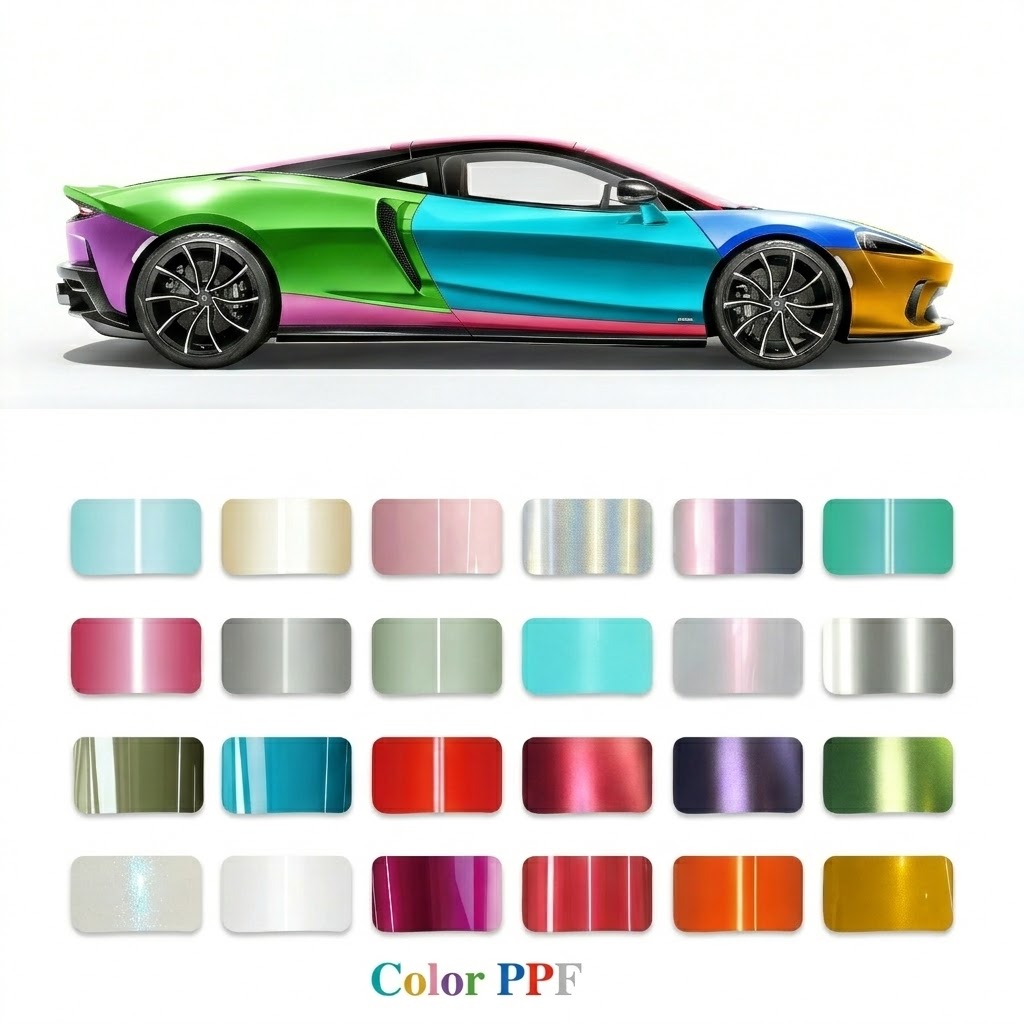
Рынок сейчас — полный хаос. Я пережил слишком много переговоров по закупкам, когда какой-нибудь продавец, обещающий “поставку напрямую с завода”, клянется в золотых горах, а затем заказчик обнаруживает — как правило, спустя два месяца, простояв под дубайским солнцем, — что его товар на полмиллиона долларов приобрел оттенок, напоминающий отвратительный никотиновый желтый. Это выводит из себя. Большинство покупателей по-прежнему относятся к цветной пленке PPF, как к обычному рулону винила. Новость: если вы не относитесь к этому как к высокоточному химическому покрытию, вы прямо-таки играете в азартные игры с репутацией вашего бренда.Оптовая продажа премиум самовосстанавливающийся TPU цвет PPF-высокое качество автомобиля краска защита фильм для авто бизнеса
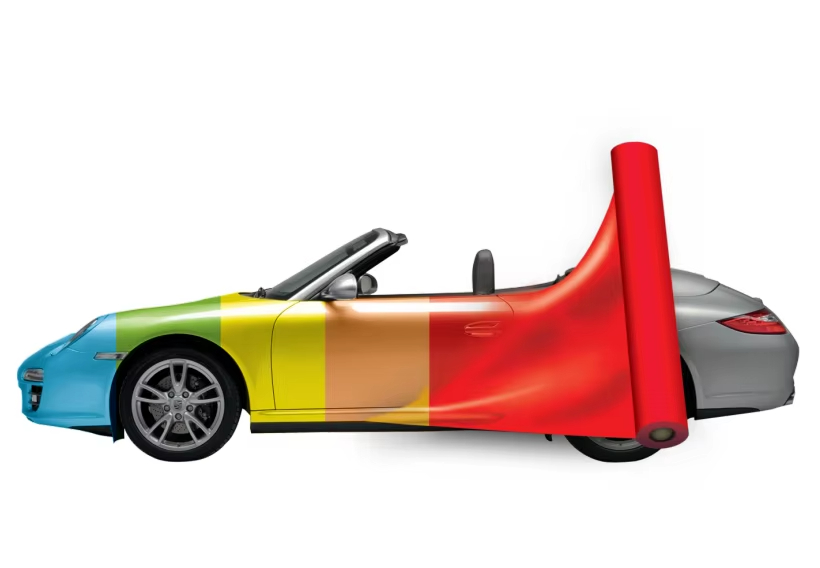
Хватит действовать наобум. В сфере высококлассного рестайлинга фраза “выглядит неплохо” не является техническим требованием. Речь идет о сложных физических процессах, связанных со светом, и о тонкостях химии алифатических полиуретанов. Вы когда-нибудь задумывались, почему мастерские постоянно борются с несовпадением оттенков между отдельными панелями? Это потому, что они игнорируют то, насколько невероятно чувствительно производство цветной пленки PPF к малейшим изменениям в заводском воздухе. Один влажный день на линии экструзии — и вся партия пошла ко дну.
Оглавление
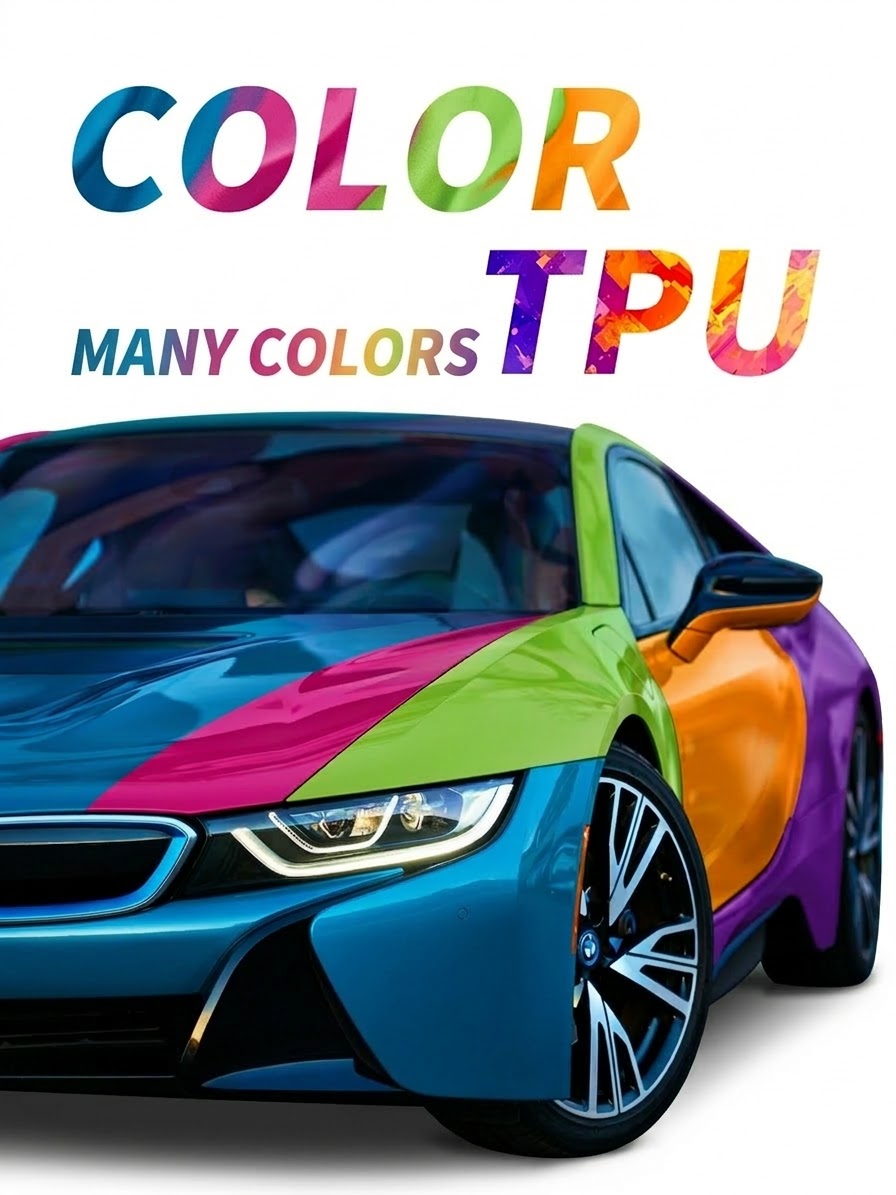
Пороговое значение DeltaE (ΔE) для цветового PPF: почему здесь следует особо отметить, что это число равно 1,0?
В цветоведении ΔE — это показатель, характеризующий расстояние между двумя цветами в цветовом пространстве. Большинство зарубежных фабрик будут клясться, что их пленка “стабильна”, но без четкого предела ΔE, прописанного в вашем контракте, вы действуете вслепую. Международная комиссия по освещению (CIE) утверждает, что ΔE менее 1,0 практически незаметно для человеческого глаза.
Вот суровая реальность: большинство рулонов TPU класса B поставляется с показателем ΔE 2,5 или хуже. Настоящий кошмар. Представьте, что вам нужно заклеить одно крыло на автомобиле, который вы обклеили шесть месяцев назад, а новый рулон заметно не совпадает по цвету. Требуйте показатель ΔE < 1,0 при каждом заказе пленки TPU PPF. Без обсуждений.
Сохранение глянца и проблема пожелтения под воздействием УФ-излучения?
В выставочном зале блеск легко подделать. Настоящая проверка — это то, как он выглядит после воздействия реальных погодных условий. Я видел, как пленка выходила с завода с показателем блеска 95 единиц, а через одно лето он падал до 70, потому что поставщик сэкономил на УФ-стабилизаторах. В недавнем отчете BloombergNEF о цепочке поставок химической продукции это было четко указано: цены на надлежащие УФ-поглотители продолжают расти, поэтому заводы среднего уровня разбавляют состав и надеются, что никто этого не заметит.
Если вы заказываете защитные пленки для поверхностей черного цвета «под фортепиано», то «апельсиновая корка» — ваш злейший враг. Заказ высококачественной продукции подразумевает требование соблюдения допуска ±2 GU по всей длине рулона. Более широкие допуски, как правило, свидетельствуют о неаккуратном процессе охлаждения на производственной линии — и эта проблема даст о себе знать, как только ваши монтажники попытаются натянуть пленку на бампер с помощью термоусадки.
Как указать цвет пленки PPF при закупках в сегменте B2B?
Нужно быть беспощадным. Большинство поставщиков обожают присылать “золотой образец” — один идеальный, тщательно отобранный экземпляр, — в то время как контейнер, который в итоге приходит, был окрашен во вторник каким-то парнем, который торопился.
- Серийная маркировка партий: Каждый рулон должен иметь номер партии, привязанный к соответствующему протоколу испытаний ΔE.
- Внедрение пигментов: Убедитесь, что цвет прокрашен в сам базовый слой из ТПУ. Если это просто тонированный клей, лучше от него отказаться — при растяжении он сразу же оставляет полосы.
- Испытания с использованием ксеноновой дуги: Если вы находитесь в регионе с очень сильным ультрафиолетовым излучением, например в Аризоне, стандартных тестов будет недостаточно.
**Часто задаваемые вопросы о цветной пленке PPF
Как устойчивость к ультрафиолетовому излучению влияет на срок службы цветной пленки PPF?
Устойчивость к ультрафиолетовому излучению — это способность пленки противостоять разрушению и выцветанию под воздействием солнечного света. В качественных пленках используется алифатический ТПУ в сочетании с высококачественными УФ-поглотителями, благодаря чему они не желтеют и не покрываются меловым налетом, как это происходит с дешевыми ароматическими смолами. Разница становится заметной не через несколько месяцев, а спустя несколько лет.
Чем обусловлены колебания блеска цветной пленки PPF в разных партиях в процессе производства?
Обычно это связано с неравномерной температурой на экструзионной линии или неравномерным отверждением самовосстанавливающегося верхнего слоя. Именно поэтому следует установить допуск в пределах ±2 единиц блеска — это гарантирует, что зеркальная поверхность будет одинаковой на всех рулонах в партии.
Почему алифатический ТПУ лучше подходит для изготовления цветных плёнок для защиты лакокрасочного покрытия?
Алифатический ТПУ — это высококачественный полиуретан, который, в отличие от более дешевого ароматического ТПУ, менее подвержен пожелтению под воздействием ультрафиолетового излучения. Использование алифатического ТПУ 100% — лучший способ обеспечить долговечную, яркую окраску и прочную пленку, которая сохраняет свои превосходные характеристики независимо от погодных условий, не желтеет и обладает хорошими эксплуатационными свойствами.
Послушайте, вы получаете ровно то, что запрашиваете. Если в вашем контракте не прописаны пределы ΔE и единицы измерения глянца, не удивляйтесь, когда ваша “премиум”-пленка через полгода будет выглядеть как мусор. Будьте конкретны. Держите их в напряжении.
Думаете, что ваш нынешний поставщик экономит на качестве? Обратитесь к нашей технической службе прямо сегодня, и мы сравним наши последние отчеты о партиях товара с тем хламом, который сейчас лежит у вас на складе.

 English
 Français
 Deutsch
 Italiano
 Español
 Português
 العربية
 Русский