


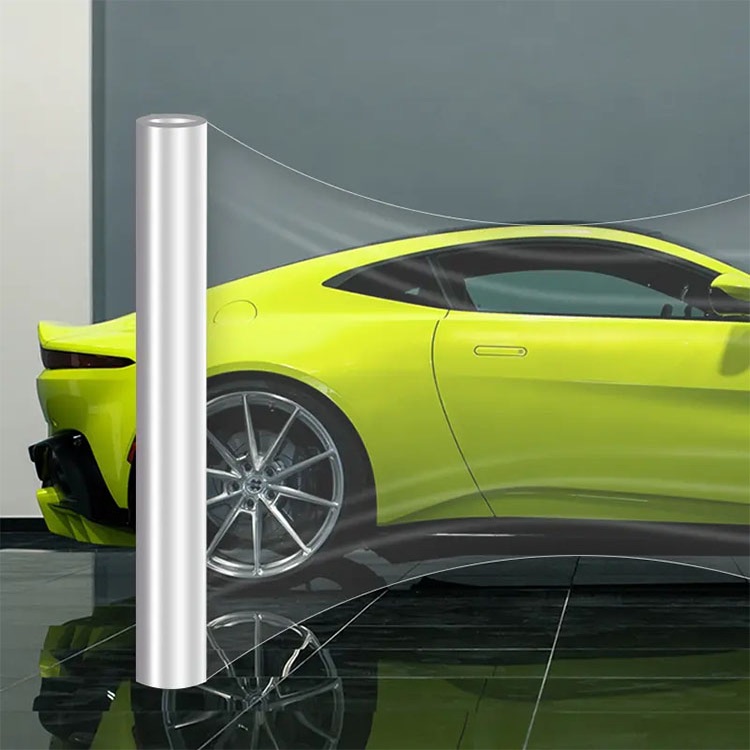
Aliphatic TPU vs Aromatic TPU PPF: Buyer’s Quality Checklist
Not all TPU PPF is created equal. This guide exposes the chemistry behind yellowing, the difference between aliphatic and aromatic TPU, and the buyer checklist serious PPF importers should demand before placing a bulk order.
Cheap TPU PPF vs Premium TPU PPF: What B2B Buyers Risk
Most B2B buyers do not lose money on TPU PPF because they paid too much. They lose money because they bought film that looked acceptable in a sample roll, failed under heat, UV, and installer pressure, then turned into warranty noise across the market.
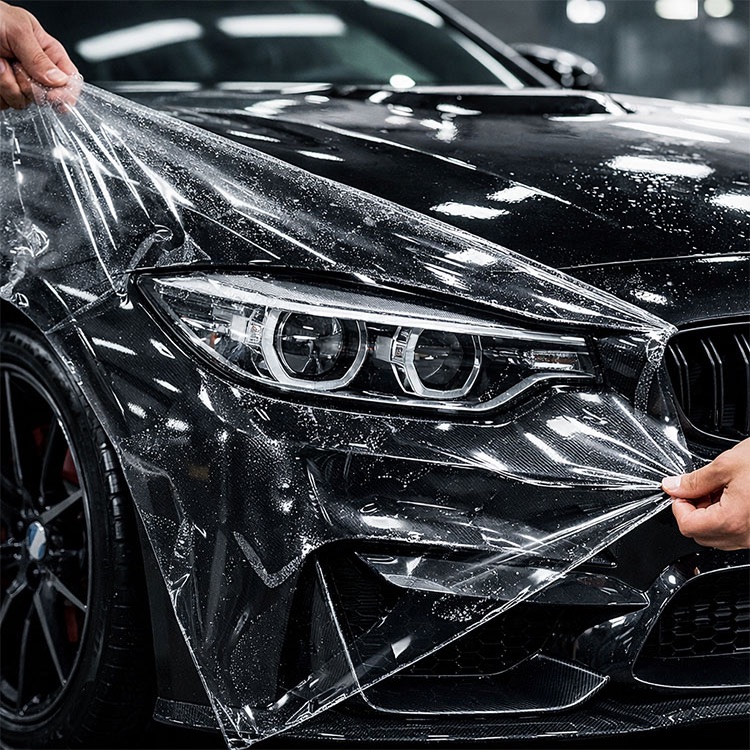
What Makes PPF Self-Healing? Coating, TPU, and Heat Recovery Explained
Self healing PPF is not magic. It is a layered material system where the top coat, TPU base film, adhesive, and heat response decide whether light scratches disappear or become warranty trouble.
How TPU PPF Is Manufactured: From Pellets to Finished Film
Most buyers judge TPU PPF by gloss, price, and warranty length. That is lazy sourcing. The real story starts with pellet chemistry, moisture control, extrusion stability, coating discipline, and batch-level inspection.
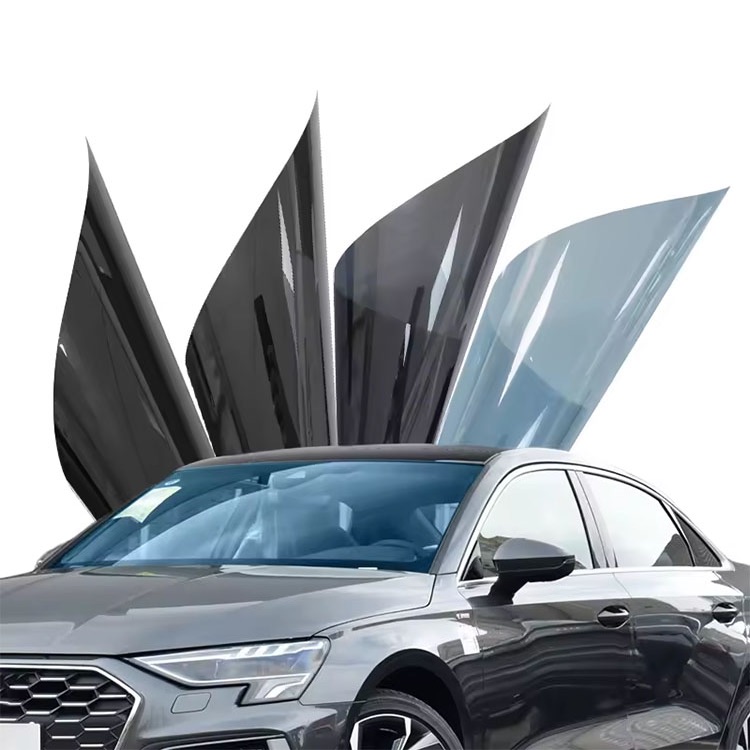
How to Calculate Energy Savings from Solar Control Window Film
Most window film ROI claims are too clean. This guide shows the raw calculation behind solar control window film energy savings, where the numbers fail, and how to build a real payback case.
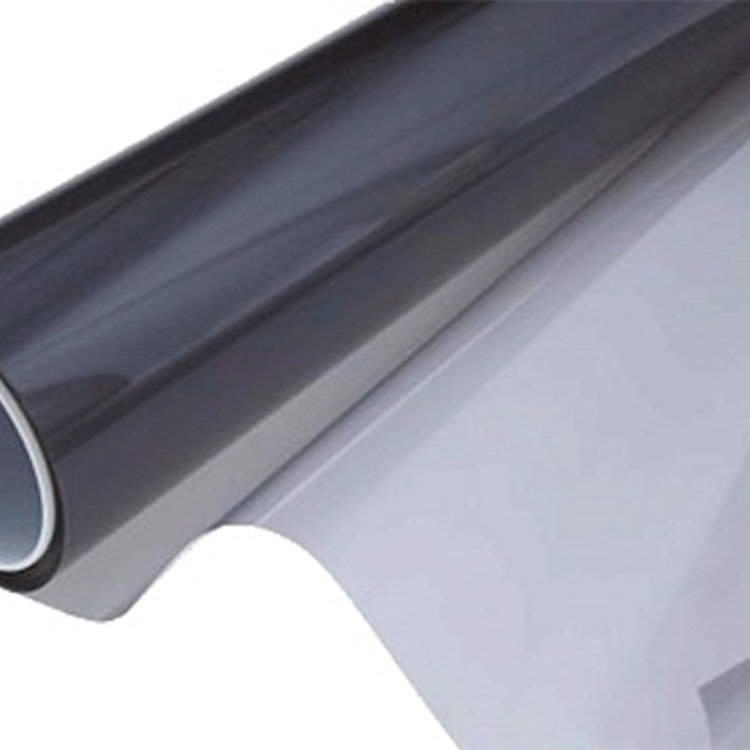
Is Solar Window Film More Sustainable Than Replacing Windows?
Solar window film is often the lower-carbon move when existing glass is structurally sound and the real problem is solar heat gain, glare, or UV exposure. But it is not magic. Climate zone, glass type, warranty risk, SHGC, VT, and installation quality decide whether film is a smart retrofit or just a shiny mistake.
 English
 Français
 Deutsch
 Italiano
 Español
 Português
 العربية
 Русский