Top Automotive Film Supplier and OEM/ODM Manufacturer – KeenTop
Top Automotive Film Supplier and OEM/ODM Manufacturer – KeenTop Built for B2B: stable supply, flexible customization, and technical support across PPF, automotive window films, architectural films, and industrial valves—helping partners improve delivery efficiency and ROI.
The Incredible Future of Self-Healing PPFSelf-Healing PPF:How 2026 Polymer Breakthroughs Revolutionize Car Protection
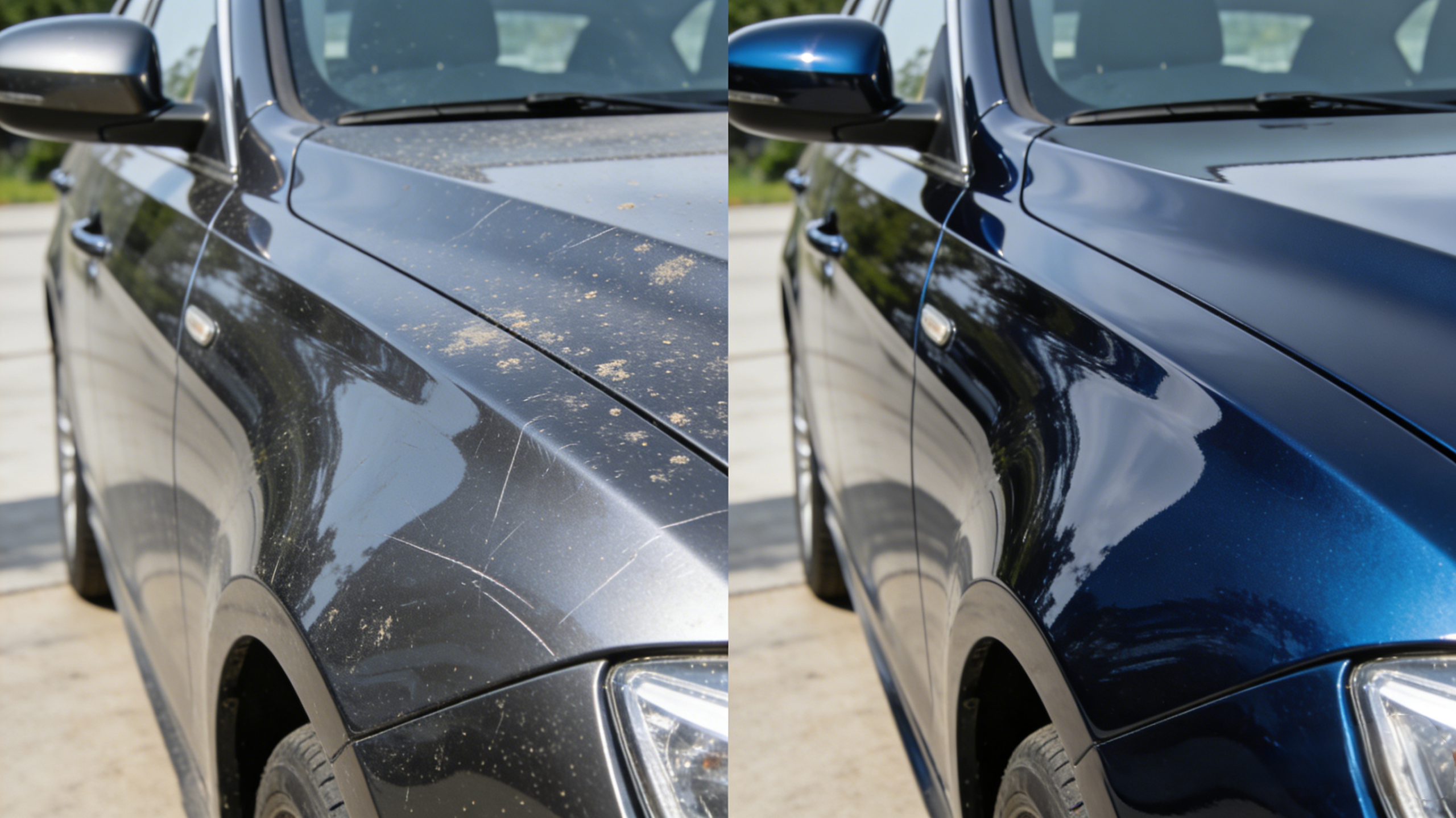
Nobody warned me the first time I pulled a “premium” self-healing film off a three-year-old hood and found it yellowed, micro-cracked, and completely inert — no healing response left whatsoever. The installer had sold it as a ten-year solution. The client was furious. And I had no good answer, because I’d been trusting the marketing sheet instead of the chemistry behind it.
That experience changed how I source and evaluate film. Permanently.
So let’s talk about what self-healing PPF actually is, at a molecular level, and why most of the industry’s claims collapse the second you ask for a technical data sheet.
Table of Contents
The Hydrogen Bond Is the Product
Here’s the core thing most buyers never learn: you are not buying a film. You are buying a specific density of reversible N–H···O=C hydrogen bonds embedded inside an aliphatic thermoplastic polyurethane matrix. That’s the product. Everything else — the gloss, the brand name, the installer certification — is packaging.
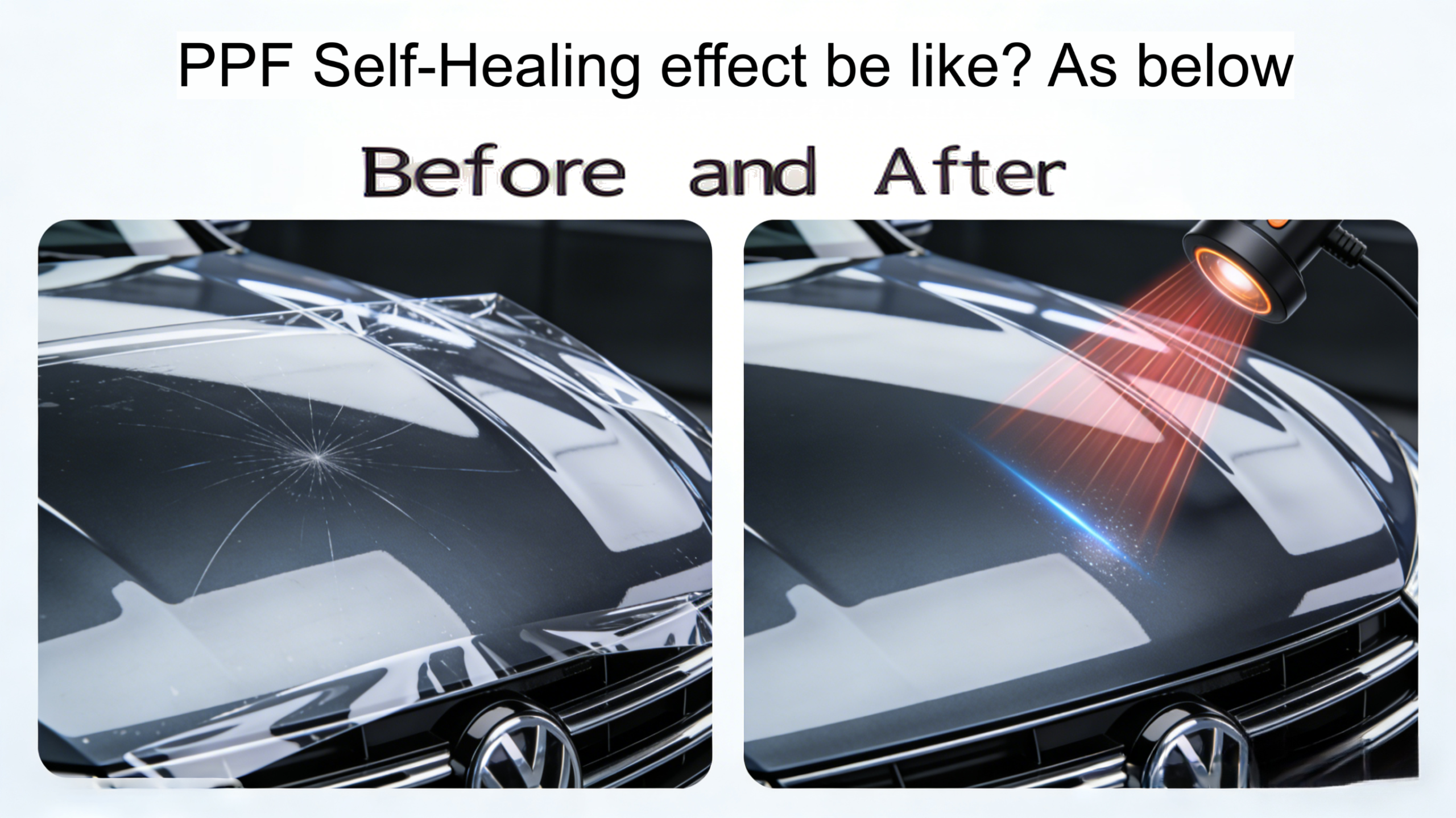
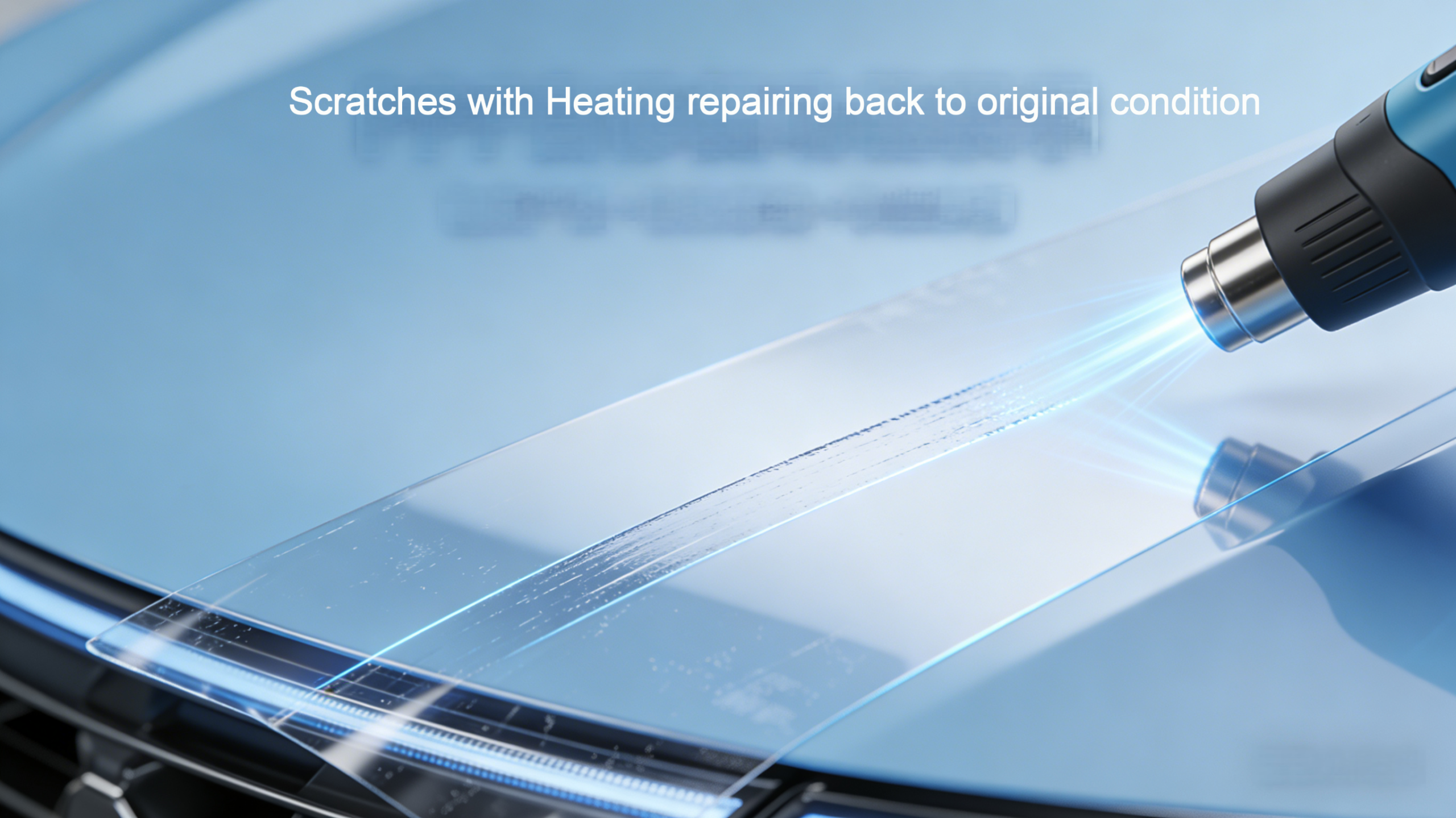
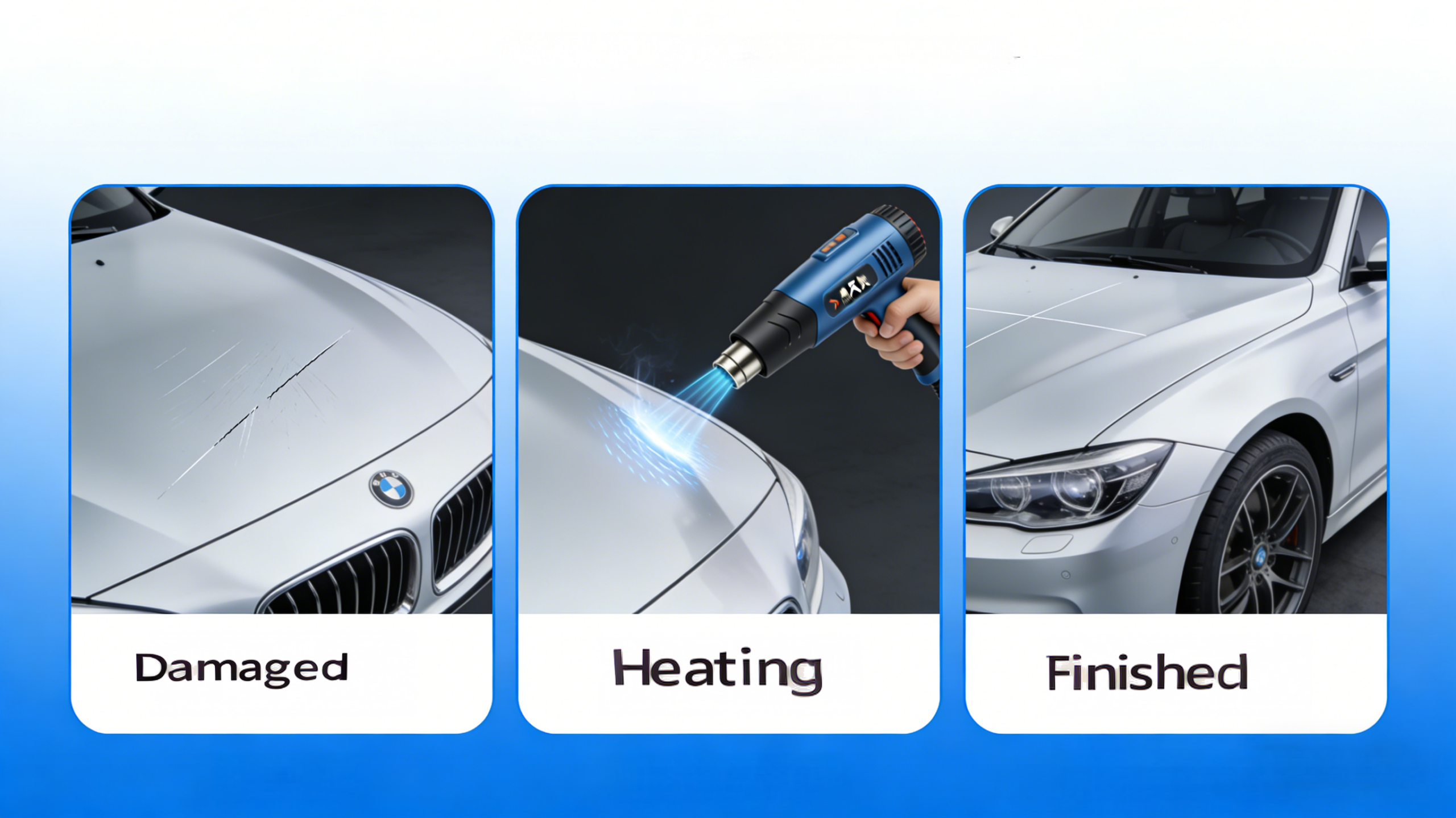
When a rock chip or a careless wash mitt scratches the surface of a properly formulated TPU paint protection film, those hydrogen bonds don’t break permanently. They pull apart locally, and because the polymer chains retain mobility — owing to a deliberately low glass transition temperature (Tg), typically engineered below 20°C for ambient healing — the network re-zips. This process is not instantaneous. But in a well-specified film, it completes at room temperature within 24 hours.
The films that fail? Their top coats cross-link aggressively post-cure. Great initial gloss numbers. But the chain mobility is gone within months, and you’re left with a surface that requires 60°C+ to trigger any healing response — if it triggers at all.
The Market Shifted. Most Buyers Didn’t.
According to a 2024 industry analysis by IMARC Group, aliphatic TPU now represents 82.76% of global PPF market share. That’s not a coincidence. It’s the industry’s verdict on aromatic polyurethane, which yellows catastrophically under UV exposure and offers no reversible healing mechanism. Aromatic structures are cheaper to synthesize. They are also, functionally, obsolete for any application where longevity is the specification.
But here’s what the market share data doesn’t tell you: the category “aliphatic TPU” is wide enough to drive a truck through. A film can be technically aliphatic and still perform terribly, because the formulation variables — crosslink density, top coat chemistry, Tg engineering, elongation targets — determine the real-world behavior. The label tells you the input. It doesn’t tell you the output.
What 2023-2024 Research Actually Shows
A 2023 study published in the MDPI Journal of Polymers demonstrated that dynamic covalent bonds — specifically disulfide exchange reactions and oxime-carbamate linkages — can enable multi-cycle autonomous repair at ambient temperatures without any external heat input. This matters practically, not just theoretically. Disulfide bonds reform under mild conditions (room temperature, no catalyst required in some formulations), and oxime-carbamate networks have demonstrated reversible bond exchange at temperatures as low as 25°C in controlled trials.
For buyers, this means one thing: any film that requires a heat gun for every healing cycle is built on 2017-era chemistry. It’s not “entry-level premium.” It’s outdated.
And the EV angle makes this more urgent than it sounds. Bloomberg’s automotive supply chain coverage has tracked a direct line between the electric vehicle market’s growth and demand for thinner, optically cleaner, aerodynamically neutral films. EV buyers skew heavily toward secondary market retention — they want verifiable surface condition at resale. A film that leaves visible scratch histories unless you apply a heat gun doesn’t serve that buyer profile. The TPU clear paint protection films entering the 2026 market are being engineered specifically to address this gap: thinner profiles, stronger healing response at lower temperatures, and better long-cycle optical stability.
The Spec Sheet Checklist Nobody Gives You
Stop leading with gloss units. I mean it. GU is the easiest number to inflate, and a thick, soft top coat will post spectacular gloss scores at installation and delaminate within 24 months. Here is what you should actually be pulling from a technical data sheet before you commit to a SKU:
Elongation at break: This is your installation durability proxy. Anything below 350% signals a film that will resist conforming to complex curves and will micro-tear under tension. Premium aliphatic TPU runs 380%–450%. That range isn’t arbitrary — it reflects the chain length and crosslink architecture needed for both physical flexibility and molecular healing response.
Glass transition temperature (Tg): The lower, the better for ambient healing. Films engineered for 24-hour room temperature repair typically target Tg values well below 20°C. If the TDS doesn’t list Tg, ask why. The answer is usually uncomfortable.
Aliphatic resin purity confirmation: Not just “polyurethane.” The word aliphatic must appear, ideally with the isocyanate source specified. HDI (hexamethylene diisocyanate) and IPDI (isophorone diisocyanate) are the standard aliphatic building blocks. If the TDS is vague here, the film is probably a hybrid with aromatic content that the manufacturer doesn’t want to disclose prominently.
Acid resistance rating: Bird dropping pH (typically 3.5–4.5) and industrial fallout are the real-world chemical threats. A film without a documented acid resistance spec at those pH ranges is untested for the conditions it will actually face.
For clients running dark-colored vehicles — particularly those specifying a deep gloss finish — the piano black paint protection films category deserves its own evaluation framework. Lower-tier black films develop micro-hazing at the molecular interface between top coat and base layer, typically within 18 months of UV exposure. A high-elongation, low-Tg formulation with a confirmed anti-yellowing package is the only specification that holds up in that application.
Side-by-Side: What the Spec Tiers Actually Look Like
Metric
Premium Aliphatic TPU
Standard Hybrid Film
PVC-Based “Eco” Film
Healing Trigger Temp
≤30°C (Ambient)
60°C+ (Heat Gun Required)
No healing capability
Yellowing Resistance
10+ Year Rating (HDI/IPDI base)
3–5 Year Moderate
<18 Months (Brittle failure)
Elongation at Break
380%–450%
200%–250%
<150%
Tg (Healing Threshold)
<20°C
35°C–50°C
N/A
Bond Type
Reversible H-bonding + Dynamic Covalent
Semi-static crosslinked
Rigid chain, no mobility
EV Compatibility
Yes (thin profile, low drag coefficient)
Marginal
No
The Hard Numbers on Market Failure
Here’s a figure the trade press underreports: a significant share of PPF warranty claims in the 2022–2024 window trace back not to installation error, but to film formulation — specifically, top coat delamination and loss of healing response in films sold as “premium aliphatic TPU.” A 2024 consumer protection analysis covered by Reuters found that automotive aftermarket coating disputes are among the fastest-growing categories in small claims and consumer arbitration filings in North America. That pattern reflects an industry that sold a performance promise without the polymer science to back it up.
I’ve seen it from the inside. A distributor running a well-known brand discovered — only after client complaints and independent lab testing — that the “aliphatic” film they’d been sourcing had 15–18% aromatic content by isocyanate composition. The yellowing started at month eight. The healing response was essentially gone by month fourteen. The brand survived by rebranding the product line. The distributor absorbed the client fallout.
Don’t be that distributor.
Frequently Asked Questions
How does self-healing PPF work? Self-healing paint protection film works through a reversible hydrogen bond network (N–H···O=C) embedded within an aliphatic thermoplastic polyurethane matrix, where a low glass transition temperature (Tg) keeps polymer chains mobile enough to realign and rebond after surface damage, restoring the film’s finish at ambient or low-heat temperatures without permanent structural loss.
The key distinction between genuine intrinsic healing and heat-forced recovery is chain mobility. A film with Tg above 35°C isn’t healing at room temperature — it’s waiting. That’s a formulation choice, not a feature.
What specs should I look for in self-healing PPF? When sourcing self-healing PPF, professional buyers should prioritize elongation at break (380%+ for installation durability), glass transition temperature (target below 20°C for ambient healing), aliphatic resin purity (HDI or IPDI isocyanate base), and documented chemical resistance against environmental acid pH ranges of 3.5–4.5. Gloss unit scores are secondary and should not anchor purchasing decisions.
A TDS that lists GU prominently but omits Tg is telling you something about what the manufacturer doesn’t want you to calculate.
What are the latest advances in self-healing PPF polymer chemistry? The most significant advance in self-healing PPF as of 2024–2026 is the integration of dynamic covalent bond systems — specifically disulfide exchange and oxime-carbamate linkages — into the TPU matrix, enabling multi-cycle autonomous repair at temperatures as low as 25°C without external heat activation, as documented in peer-reviewed research from MDPI’s Journal of Polymers (2023).
This is where the gap between brands is widening fastest. Films built on conventional reversible hydrogen bonding alone are hitting their performance ceiling. Dynamic covalent systems are not.
Why do some self-healing PPF films stop healing after 6–12 months? Films that lose healing response within the first year typically have a top coat crosslink density that was optimized for initial gloss rather than long-term chain mobility. As the crosslink network tightens post-cure, polymer chains lose the freedom to realign after damage. This is a formulation trade-off, not an installation or environmental issue, and it is rarely disclosed in marketing materials.
Ask the manufacturer for their top coat crosslink density data. If they can’t provide it, that’s your answer.
Is aliphatic TPU PPF worth the price premium over hybrid films? For any application requiring a 5-year+ service life — which includes most professional installs on vehicles above $60,000 — yes, without qualification. The elongation differential (380–450% vs. 200–250%), the yellowing resistance gap (10+ years vs. 3–5 years), and the ambient healing capability of properly formulated aliphatic TPU film represent real engineering differences, not marketing positioning. The hybrid film costs less at purchase and more at replacement.
Run the math on a single reapplication job. The premium pays for itself.
If you’re currently evaluating a supplier’s TDS and want a structured breakdown against these 2026 polymer benchmarks — elongation, Tg, resin purity, acid resistance, bond architecture — drop the brand name or upload the spec sheet in the comments. I’ll run the numbers publicly, so the analysis benefits the whole thread, not just one buyer.