Top Automotive Film Supplier and OEM/ODM Manufacturer – KeenTop
Top Automotive Film Supplier and OEM/ODM Manufacturer – KeenTop Built for B2B: stable supply, flexible customization, and technical support across PPF, automotive window films, architectural films, and industrial valves—helping partners improve delivery efficiency and ROI.
OEM Paint Protection Film Trends of Year 2026: Aftermarket Demand Forecast
Things are shifting.
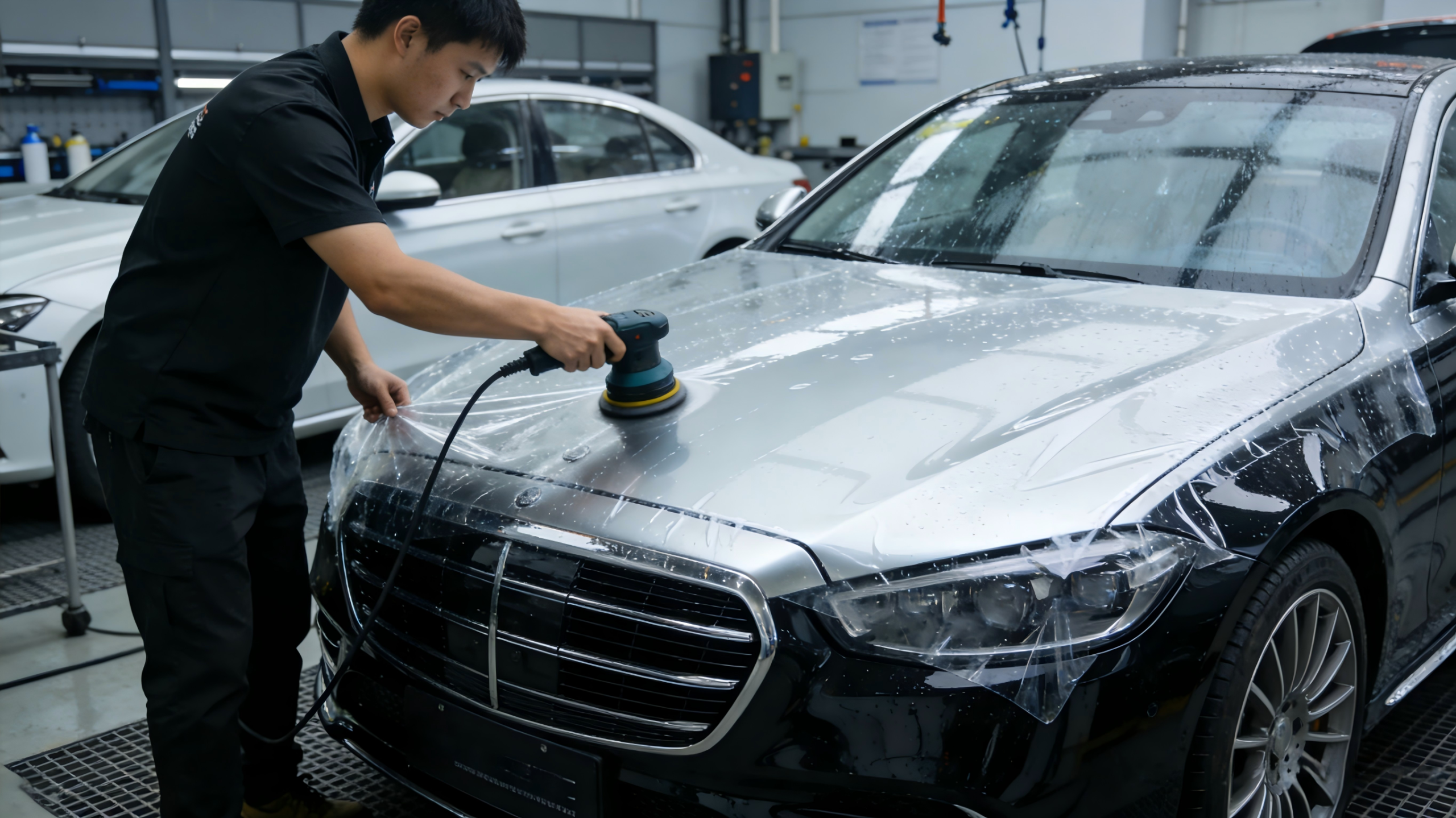
Not loudly, not in flashy press releases, but quietly inside OEM production lines where OEM Paint Protection Film is starting to appear on vehicles before they even hit dealership floors—and if you think that doesn’t disrupt the aftermarket ecosystem, then you probably haven’t looked at the inventory reports distributors are wrestling with in 2024.
I have.
And the signals are messy.
For years, installers and wholesalers built their business around a predictable model: car sells → owner worries about rock chips → installer sells film package. But once factory-installed paint protection film enters the equation, the demand chain fractures. Certain SKUs spike. Others collapse.
So what happens next?
Let’s talk numbers, not theory.
According to a 2024 global automotive protection materials report cited by Reuters, the paint protection film market is expected to exceed $1.7 billion by 2027, with OEM-installed film growing faster than the aftermarket segment. That growth isn’t hypothetical—it’s already embedded in production planning at brands like Tesla, Porsche, and Rivian, where partial PPF installation has started appearing on high-risk zones.
Front fenders. Door edges. Rocker panels.
Just enough.
Never the full car.
Table of Contents
The Quiet Rise of OEM PPF
I noticed something interesting when reviewing dealer prep documentation last year: OEM programs rarely install full-body protection. They install targeted coverage designed around warranty risk reduction.
That’s why most OEM applications rely on TPU-based protective films, the same polyurethane chemistry installers use, but applied only to impact zones. If you want to see the same material class used in professional installations, look at examples like TPU clear paint protection films used in the aftermarket.
Coverage gaps create opportunity.
And installers know it.
A Porsche Cayenne leaving the factory with partial film still needs hood coverage, mirror caps, A-pillars, headlights, and sometimes full front protection. Dealers rarely offer those upgrades in-house.
Independent installers do.
So while OEM programs expand, they simultaneously create new service layers for the aftermarket.
But the SKU mix changes.
What Distributors Are Starting to Notice
Inventory data tells the story faster than analyst reports.
Wholesale distributors tracking PPF aftermarket demand forecast trends since mid-2023 noticed something strange: sales of small pre-cut protection kits started rising faster than traditional bulk rolls.
Why?
Because installers increasingly finish what OEMs started.
A vehicle arrives with partial protection, and the installer extends coverage using compatible TPU films like those found in professional-grade TPU PPF product lines designed for modular installations.
The installer mindset shifts from “install everything” to “complete the coverage.”
Different film widths. Different margins.
Different inventory math.
And here’s where distributors often get it wrong.
They still order film like it’s 2018.
The Real Impact on Aftermarket Sales
Let me say something controversial.
OEM film programs will increase aftermarket revenue in the medium term.
Not decrease it.
But only for companies that adapt their product mix.
Look at the data.
A 2023 automotive aftermarket study summarized by Statista shows vehicle personalization spending rising 12% year-over-year, even as factory customization increases. Consumers still want upgrades—just different ones.
PPF follows the same pattern.
Factory installs baseline protection. Enthusiasts upgrade beyond it.
Especially with aesthetic PPF variations, including finishes like glossy black piano black TPU PPF film used on trim pieces and roof accents.
Protection becomes styling.
And styling sells.
Why Color PPF Is Quietly Exploding
Here’s the irony nobody predicted.
The more OEMs adopt transparent protection film, the faster color PPF grows.
Why?
Because the protective function becomes normalized.
Consumers stop asking “Should I install PPF?”
They start asking “What finish do I want?”
Which explains the rising demand for products like color paint protection film solutions that combine protection with styling changes—something OEMs rarely offer because production complexity skyrockets.
And that gap belongs to the aftermarket.
Not the factory.
Inventory Strategy: The Hard Truth for Distributors
Short sentence.
Most wholesalers are late.
Distributors still stocking heavily in 60-inch bulk rolls for full-body installs may face slower turnover if OEM adoption accelerates. The smarter strategy is diversified inventory: narrower widths, partial coverage kits, trim protection film, and specialty products installers use to extend or customize OEM coverage.
This is where PPF distributor inventory strategy becomes survival, not optimization.
A distributor who ignores OEM coverage zones risks sitting on thousands of dollars of slow-moving film.
But one who studies factory installation patterns?
They win.
How OEM PPF Changes SKU Demand
Here’s what early 2024 distributor reports suggest.
SKU Type
Demand Trend
Reason
Full-vehicle bulk film rolls
Slowing growth
OEM partial installs reduce full installs
Front-end kits
Increasing
Installers extend OEM protection
Narrow trim films
Strong growth
Used for mirrors, pillars, edges
Colored TPU PPF
Rapid growth
Consumers want visual customization
Black accent films
Rising
Used for roof and trim styling
Simple pattern.
Protection → customization.
Market Evidence That OEM Film Is Expanding
Three data points convinced me this shift is real.
First: the U.S. Department of Transportation vehicle durability research program increasingly discusses surface protection materials in manufacturing supply chains, showing growing OEM attention to coating and film technologies (USDOT Research Hub).
Second: Bloomberg’s 2024 analysis of EV manufacturing supply chains notes that EV makers prioritize exterior durability and resale value, increasing adoption of protective materials on high-impact surfaces (Bloomberg).
Third: Tesla service forums and repair documentation show factory-installed protective patches on certain delivery vehicles—something installers have been quietly confirming since 2023.
Not official announcements.
Operational reality.
The Next 5 Years of OEM PPF Adoption Trends
Let me be blunt.
OEMs will never install full-body PPF at scale.
Too expensive.
Too slow.
Too complex for assembly lines running 60 vehicles per hour.
But targeted installation? That’s efficient.
Expect OEM protection zones on:
rocker panels
rear wheel arches
door edges
lower bumper surfaces
Installers will still handle:
full front kits
aesthetic film
specialty finishes
track protection packages
Which means the impact of OEM PPF on aftermarket sales is not contraction.
It’s specialization.
And specialization always creates new product categories.
FAQ
How does OEM paint protection film affect aftermarket demand?
OEM paint protection film affects aftermarket demand by shifting installations from full-body protection toward extension, customization, and styling services; factory-installed film typically covers only high-impact areas, leaving significant surfaces unprotected, which creates opportunities for installers and distributors to sell complementary PPF products, specialty films, and aesthetic upgrades.
In practice, installers often complete coverage on hoods, mirrors, headlights, and A-pillars that OEMs skip.
So the aftermarket adapts.
Not disappears.
What are the current OEM PPF adoption trends?
OEM PPF adoption trends show manufacturers applying protective TPU films to limited high-risk zones during vehicle assembly to reduce warranty paint claims, particularly on EVs and premium vehicles, while avoiding full-body installations due to cost, production speed constraints, and installation complexity.
Luxury brands started the trend.
EV makers accelerated it.
Mass-market vehicles are next.
Why should PPF distributors change inventory strategy?
PPF distributors must change inventory strategy because OEM-installed protection alters installer demand toward narrower film widths, partial coverage kits, trim protection materials, and specialty films rather than traditional bulk rolls designed for full vehicle coverage.
The old model assumed every car needed a full front install.
That assumption is fading.
Will factory-installed PPF replace aftermarket installations?
Factory-installed PPF will not replace aftermarket installations because OEMs prioritize cost efficiency and production speed, meaning they install only limited protective sections, leaving significant vehicle surfaces available for aftermarket installers to protect or customize.
In other words…
OEMs start the job.
Installers finish it.
Final Thought
I’ve watched this industry for years.
And here’s the honest takeaway.
OEM adoption isn’t the threat installers fear.
Complacency is.
The distributors and installers who study OEM paint protection film trends, adjust inventory early, and expand into specialty films will ride the next growth wave.
Everyone else?
They’ll be stuck selling yesterday’s SKUs.
If you want to see the types of TPU films installers are already using to adapt to these changes, explore professional-grade options like TPU paint protection film solutions, clear TPU PPF, and emerging color PPF technologies now reshaping the customization market.
Conclusion
OEM adoption of OEM Paint Protection Film isn’t the disruption many people in the aftermarket feared—it’s a structural shift in how protection is delivered across the vehicle lifecycle. Automakers are applying film strategically to reduce warranty exposure and shipping damage, but their limited coverage leaves large areas untouched, which means the aftermarket still owns the majority of protection and customization work.
From my perspective, the real change is happening in demand structure, not demand volume. Installers are no longer starting with completely unprotected vehicles; they’re extending factory protection zones, correcting coverage gaps, and offering upgrades that OEM production lines simply cannot support. That shift explains the rising demand for narrower rolls, modular kits, trim protection materials, and specialty films such as color and gloss accent PPF.
For distributors and manufacturers, the implication is clear: inventory strategies must evolve alongside OEM PPF adoption trends. Companies that track where factories apply protection—and stock products that complement those areas—will stay aligned with installer needs. Those who keep relying on the traditional “full front bulk roll” model risk falling behind as the market becomes more segmented and customization-driven.
In short, OEMs are starting the protection process, but the aftermarket is still finishing it—and likely will for years to come.