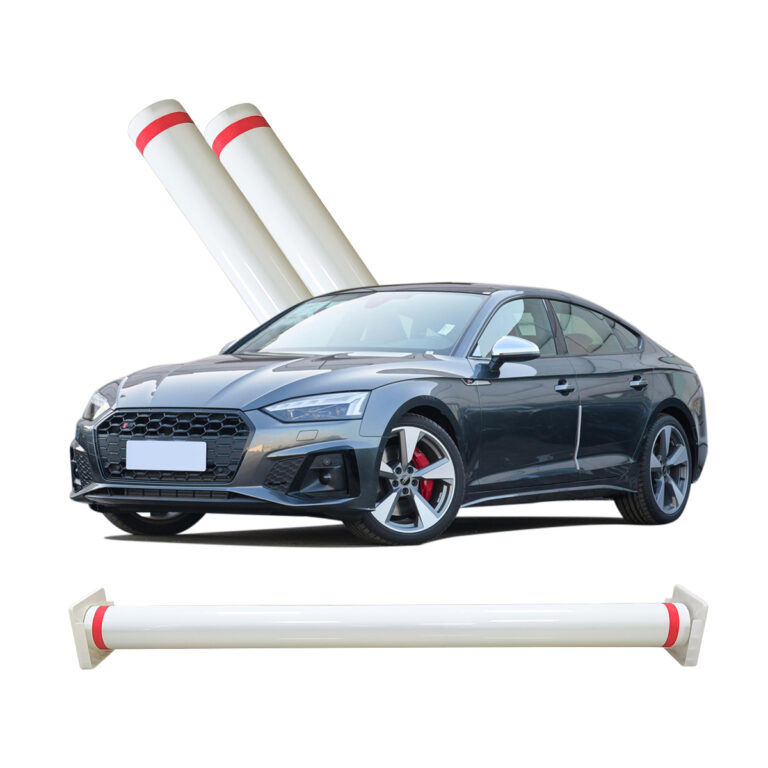
How to Find Chinese PPF factory or manufacturer? Why Professional Buyers Source PPF and Window Tint From China? People seems always has such confusions.Not every Chinese PPF factory/manufacturer is the same. The price range alone tells you that.
A roll of TPU paint protection film quoted at $8 per linear meter and one at $30 — those aren’t the same product with different margins sitting between them. Different raw material grades. Different formulation depth. Different QC infrastructure. And the gap between them doesn’t appear on the quote sheet — it appears in warranty claims six months later, in distributor callbacks you didn’t expect, in the container that matched the sample perfectly and drifted badly by order three.
Here’s something worth knowing upfront: according to a 2024 market analysis by Grand View Research, the global paint protection film market is expanding aggressively through 2030, driven by automotive OEM adoption and the industry’s shift toward aliphatic TPU formulations that actually perform across a multi-year service window. That growth is pulling suppliers into the market at every quality tier — which makes telling them apart more consequential than it’s ever been.
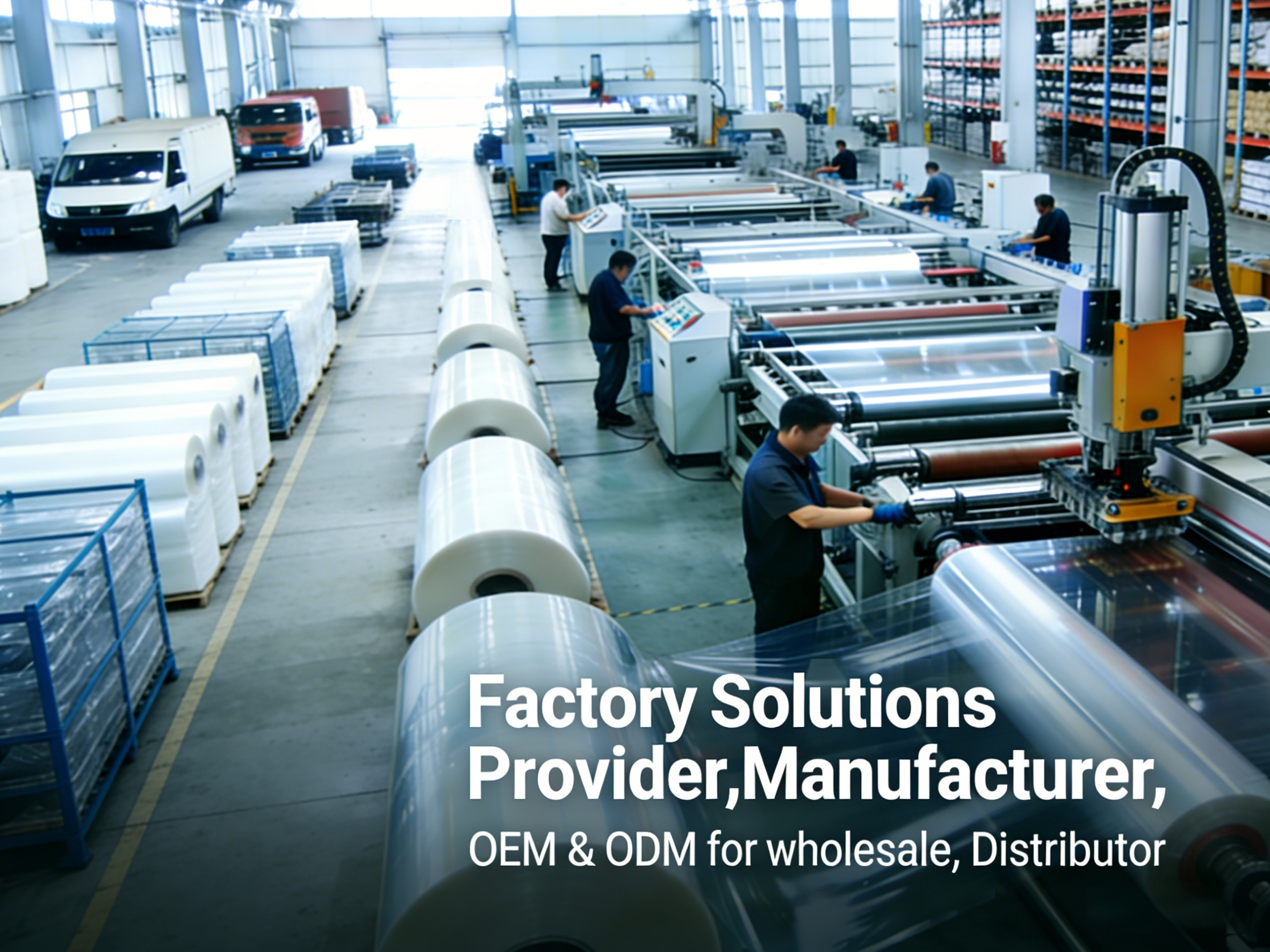
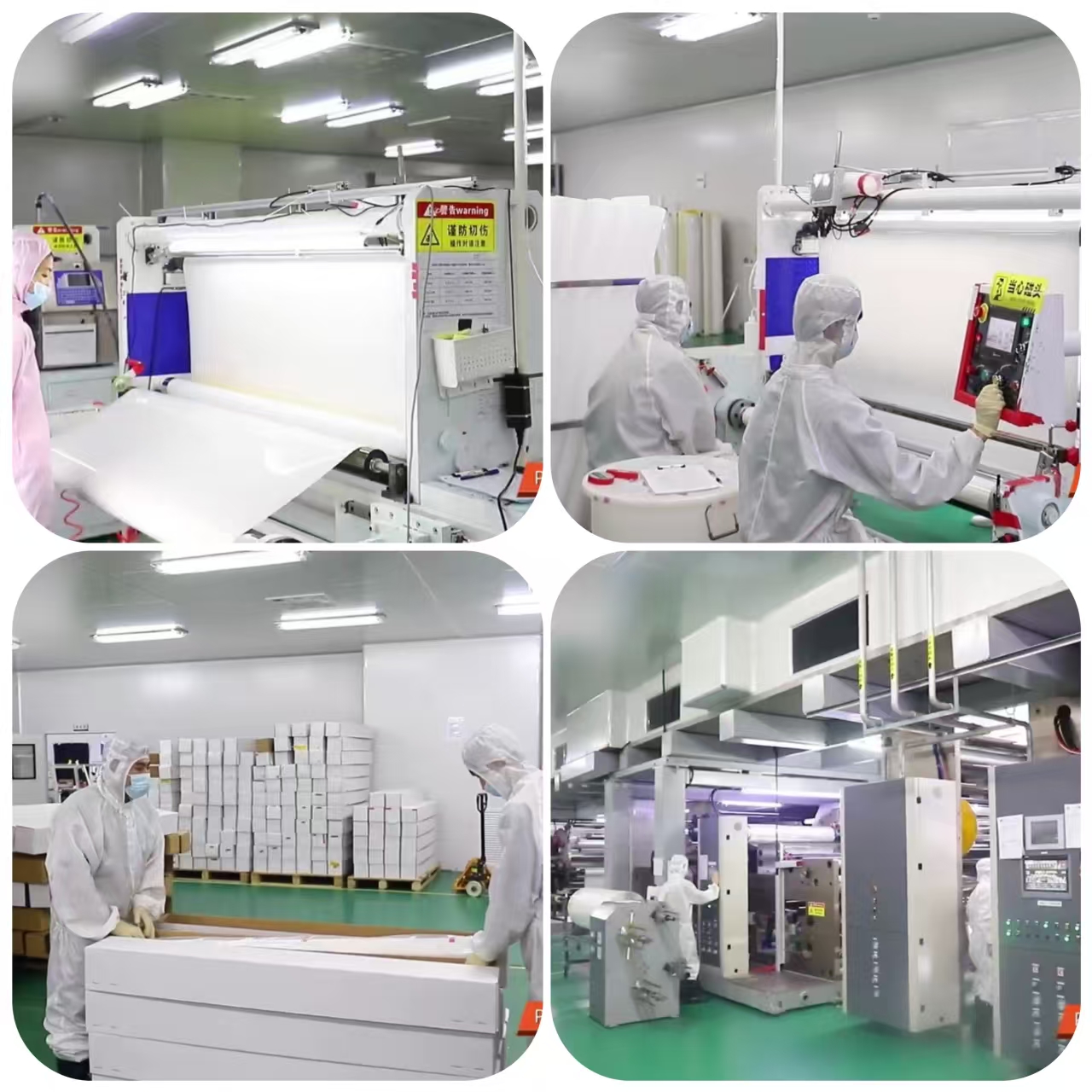
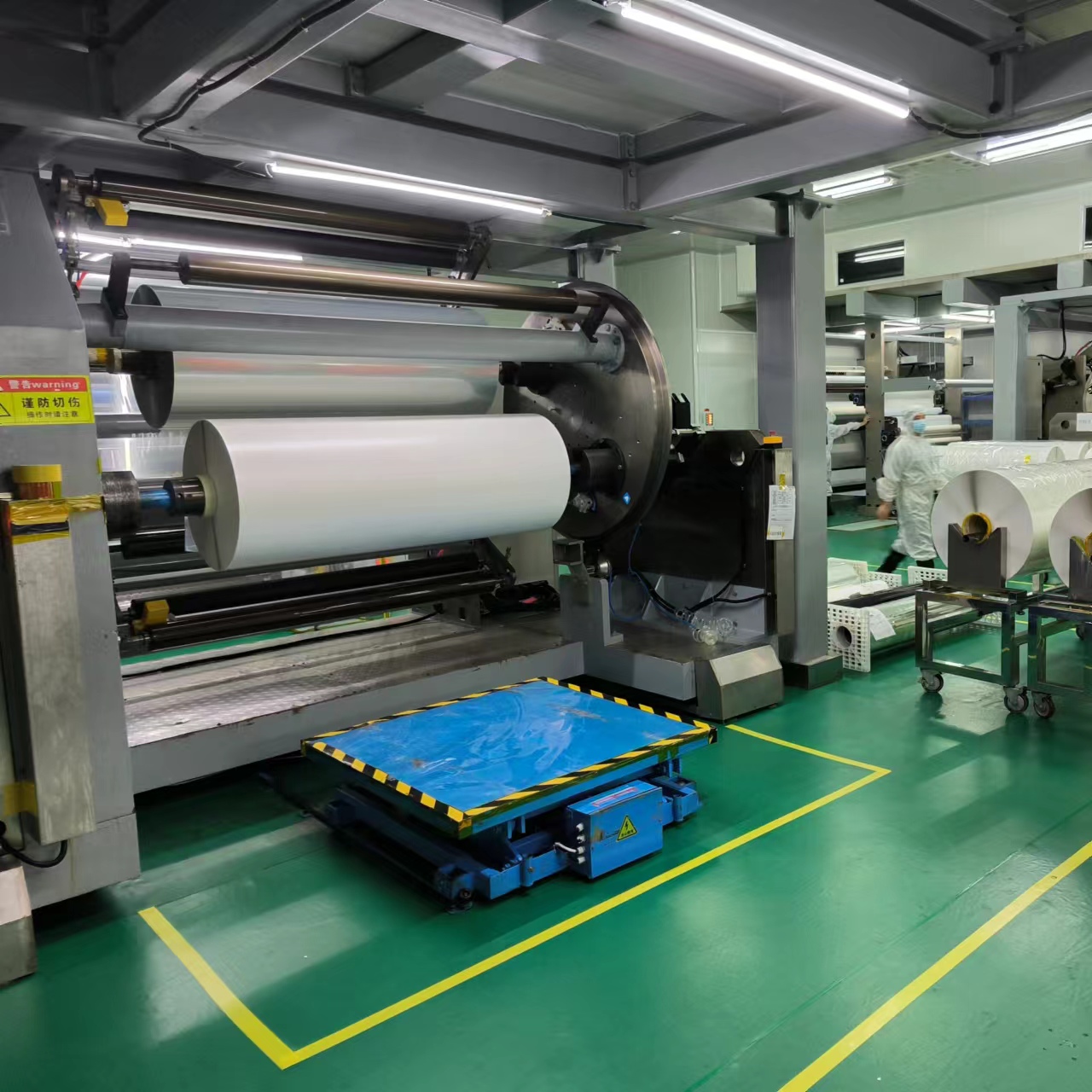
We’re Keentop Industrial. We make car films. TPU Clear PPF, TPU Color PPF, automotive window tint — produced in our own facility, shipped to professional buyers across 110+ countries. That’s the short version. Here’s the longer one.
What We Actually Make — Spec by Spec
TPU Clear PPF. Aliphatic HDI/IPDI isocyanate base, self-healing top coat, ambient temperature scratch recovery. Thickness range 6.5 mil to 10 mil. Elongation at break 280–450%. UV yellowing resistance rated 10+ years. The aliphatic isocyanate chemistry driving that UV performance — specifically HDI (hexamethylene diisocyanate) — is well documented in peer-reviewed materials science, including research published in MDPI’s Polymers journal covering aliphatic TPU elastic recovery and UV degradation resistance in automotive coating applications. Not marketing language. Documented polymer behavior.
Color PPF. Full-surface impact protection with color-change capability — same aliphatic TPU base as the clear line, no separate vinyl layer required. Same self-healing. Same UV performance. Wide color range. For buyers sourcing color film into EU markets — worth noting that the European Chemicals Agency maintains current REACH regulatory guidance on automotive film chemical composition, and aliphatic TPU formulations without aromatic content clear the relevant substance thresholds that some PVC and aromatic alternatives don’t.
Piano Black and Glossy Finish TPU PPF. Deep-gloss specialty film for dark vehicle applications where micro-hazing and optical waviness are the specific failure modes — not stone chips, not yellowing, but the surface scatter that kills a piano finish under showroom lighting. Optical performance in this category is measured by Distinction of Image (DOI) and specular haze. The test methodology is defined by ASTM International standard D5767 — worth reading if you’re specifying this category seriously, because DOI and bulk GU tell you different things and most suppliers only present one of them.
Automotive Window Tint. Dyed, carbon, ceramic,nano ceramic,metallic series. VLT 5%–70%. Ceramic series: 99% UV rejection, 95% IR heat rejection, zero electronic interference (GPS, TPMS, mobile signal — none of it affected). OEM roll supply, custom VLT and width available. Performance data is tested and reported against ISO 9050 — the international standard for solar optical performance in glazing applications. If a window tint supplier can’t cite the ISO standard their IR rejection data was measured against, that’s worth asking about.
The Skepticism Question — And Why It’s Justified
But — and I want to say this directly — the reputation Chinese manufacturing carries in the PPF and window film space exists because a portion of the market earned it. Samples that don’t match production batches. Lead times that slip without communication. Quality that holds on the first order and drifts after the relationship feels locked in. Trading companies presenting as factories. Factories presenting as raw material producers when they’re actually downstream converters buying commodity film and rebranding it.
That reputation affects how professional buyers approach every new Chinese supplier inquiry. Rational skepticism. Entirely earned.
Our supply network covers North America, Europe, Southeast Asia, the Middle East, Australia, Africa — distributors, installation chains, fleet operators, OEM re-branders. That reach built through one mechanism: buyers received what they ordered, the specs held up in field conditions, they came back. The International Trade Administration’s manufacturing quality framework provides useful context for evaluating overseas supplier documentation — batch traceability, material certification, QC record structure — the things that separate verified manufacturers from trading companies with good websites.
A dissatisfied distributor in Germany doesn’t reorder. Full stop. A disappointed installer network in Australia doesn’t stay quiet — they tell their market why they switched, and that information moves fast in a space where everyone at the professional level knows everyone else. Our order retention rate across established distribution accounts is the metric we point to with most confidence. It’s the hardest to fake.
From my experience, the buyers who build the strongest long-term supply relationships with us pushed hardest on technical questions at the start. They asked for layer breakdowns — base, adhesive, top coat, separately, not just total mil. They requested post-UV impact data per ASTM G154 — the accelerated UV weathering standard used across the automotive protective film industry. They sent samples to independent labs before placing volume. Rigorous. Skeptical. Documentation-driven. That process is exactly how a B2B sourcing relationship should start, and we welcome it without hesitation.
For buyers building their PPF supplier evaluation framework from scratch — ASTM International’s full catalog covers the relevant methodologies: D882 for elongation at break, D1925 for yellowing index, D523 for specular gloss, D3363 for pencil hardness. Those are the standards. Any supplier who can’t produce test data against named ASTM or ISO methodologies is not equipped for professional B2B procurement evaluation — and that answer, in itself, is useful sourcing data.
OEM and Custom Supply — More Flexible Than Most Buyers Assume
White-label and private-label support — full packaging customization, custom core dimensions for specific plotter integrations, branding that fits your market positioning. For buyers building private-label film brands into EU markets, ECHA’s REACH compliance portal covers current chemical substance disclosure requirements applicable to automotive film products — worth reading before committing to a formulation.
Thickness customization on our TPU PPF base — non-standard mil specifications at volume, layer-specific adjustments. Heavier adhesive layer for a demanding installation application, thinner base for complex geometry work — those conversations are worth having before assuming they’re not possible. They usually are.
Adhesive formulation options — standard PSA, high-tack variants for high-stretch applications, low-surface-energy formulations for specialty finish installs where silvering at the adhesive interface is a documented failure mode. (And if “silvering” doesn’t mean anything to you yet — it will the first time you see it on a piano black bumper under a showroom spot. You don’t forget it.) The Pressure Sensitive Tape Council publishes standard test methods for PSA performance evaluation — directly applicable to automotive PPF adhesive specification if you’re building a serious procurement framework.
Window tint custom VLT and width — OEM integration programs, fleet spec projects, regional legal compliance where standard VLT options don’t map cleanly. Legal VLT limits vary significantly by jurisdiction — the International Window Film Association maintains updated tint regulation summaries by country and US state. Check it before specifying for multi-market distribution.
MOQ for custom specifications varies. Contact the technical team directly — the answer is almost always more flexible at the inquiry stage than buyers assume before asking.
What Honest Supply Looks Like — From Our Side for Chinese PPF factory or manufacturer
We’ll tell you if a specific application isn’t a good fit for a product in our current line. Clearly. Not “let me check with our technical team” followed by silence.
We’ll flag if a custom specification isn’t achievable at the quality level we’re comfortable shipping. Before the order — not after.
We encourage sample evaluation before volume commitment. Every time. Not just for new accounts. A buyer who tests the TPU clear film, runs it through their actual installation conditions, confirms it matches their requirements, then commits to volume — that’s a better long-term account than one who orders blind and finds the mismatch six weeks after the container clears customs. Both outcomes are possible. Only one of them builds a supply relationship worth having.
Bloomberg’s automotive aftermarket supply chain coverage through 2023–2024 documented exactly this pattern in professional film distribution: long-term supplier retention correlating directly with documentation quality and technical support consistency — not initial unit pricing. The factories still running the same distributor accounts a decade later are the ones whose buyers’ businesses grew alongside them. That’s what we’re building. One verified order at a time. Across 110+ countries. With documentation that holds up when someone actually reads it.
If you’re evaluating Chinese PPF suppliers right now — good. Push on the technical specs. Ask for layer-specific TDS. Request post-UV aging data. Send a sample to an independent lab. Any factory worth working with handles that process without flinching. Contact us — we’ll offer professional and valuable support for your business from the first conversation.
Preguntas frecuentes
Is Keentop Industrial a factory or a trading company? Keentop Industrial is a manufacturer producing Película de protección de pintura TPU and automotive window tint from our own production facility in China — but we are also a trading company doing the business with oversea customers all ower the world and sourcing from third-party converters and rebranding. Factory-direct pricing, batch-specific QC documentation, and direct technical support on every order.
Which countries does Keentop Industrial supply PPF and window tint to? Keentop Industrial supplies professional buyers — distributors, installation chains, fleet operators, and OEM re-branders — across 110+ countries including North America, Europe, Southeast Asia, the Middle East, Australia, and Africa. Export documentation and customs compliance for all markets is handled through our logistics team, with HS code classification guidance available on request for buyers managing import duty across multi-country distribution.https://keentopindustrial.com/nano-ceramic-window-tint/
Does Keentop Industrial offer OEM and white-label PPF supply? Yes — full white-label and private-label supply across TPU PPF and window tint lines, including custom packaging, core dimensions, thickness specifications, adhesive formulation variants, and custom VLT and width for window tint. MOQ varies by configuration — contact our technical team directly for project-specific terms.
How do I request samples or a TDS from Keentop Industrial? Contact Keentop Industrial through our website or send specification requirements directly to our technical sales team. B2B inquiries receive a response within 24 hours with product recommendations matched to your application, volume, and market. Sample requests for color PPF, piano black PPF, clear film, and window tint are processed from production inventory — not separate sample stock.https://keentopindustrial.com/windshield-films/
📩 For samples or detailed technical requirements: contact Keentop Industrial through our website or send specifications directly to our team. B2B inquiries responded to within 24 hours with product recommendations matched to your application, quantity, and market.
🌐 www.keentopindustrial.com