Most B2B supplier sustainability programs fail before a single supplier submits data. Leadership issues an ESG mandate, procurement adds a sustainability tab to the vendor spreadsheet, and twelve months later nothing has changed — not supplier behavior, not emissions data, not purchasing decisions. What gets built isn’t a program. It’s a documentation trail that looks like one.
In 2024, that gap carries legal weight. Teams still running checkbox sustainability programs are holding compliance risk their legal departments haven’t fully mapped. Here’s what a program that actually works looks like.
B2B Supplier Sustainability-Why Programs Fail at the Design Stage
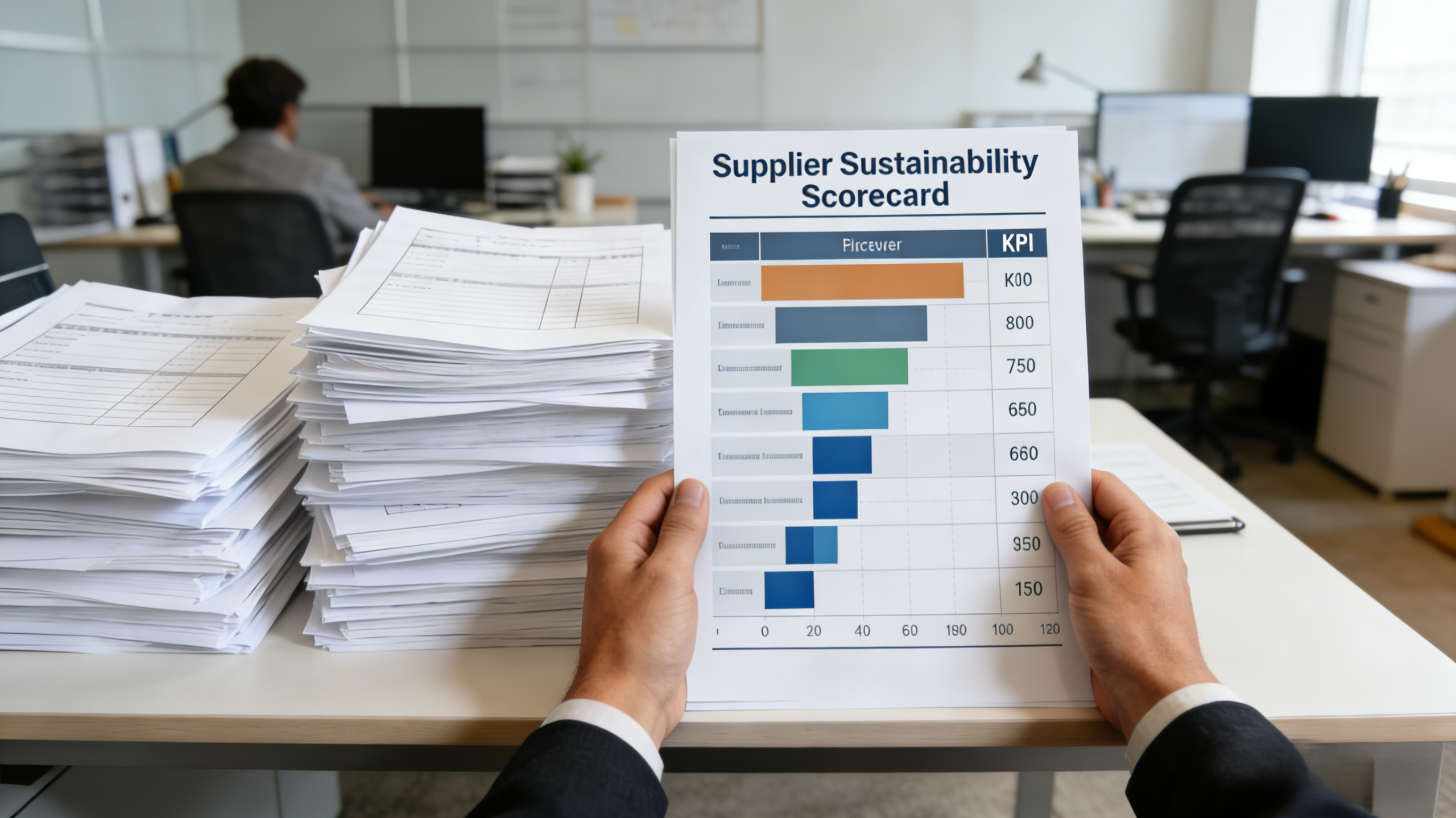
The failure is architectural, not operational. Procurement teams add sustainability criteria to existing tools — new scorecard section, green RFP addendum, onboarding form with carbon target fields. It looks like a program. It functions like a survey.
Measurement without consequence doesn’t change behavior. A supplier whose sustainability score has no bearing on contract renewal or pricing has zero financial incentive to improve operations. They’ll fill out the form. They won’t change anything.
Baseline data before targets. Around 60% of procurement teams set reduction targets before collecting verified supplier data.
Materiality-weighted KPIs. A flat scorecard treating a chemical manufacturer identically to a logistics vendor is indefensible. For suppliers of specialty polymer products like TPU clear paint protection films with solvent-based coating processes, the material KPIs are VOC emissions per m², solvent recovery percentage, and isocyanate raw material traceability — none of which appear on a generic carbon template.
Commercially meaningful rewards. A preferred vendor badge is recognition theater.
Score thresholds are adjustable. Commercial consequences are not optional. A supplier moving from Tier 3 to Tier 2 needs to feel that movement in their margin. Without that, you’ve built a classification system — not an incentive structure.
The Reward Threshold Research Supports
MIT Sloan Management Review’s 2023 analysis of 142 B2B supplier programs found one consistent pattern: programs with financial incentives at 4–7% of annual contract value produced measurable behavior change. Programs below that threshold showed results statistically identical to running no program at all.
The logic is straightforward. If compliance costs a supplier 3% of margin to implement, the reward must exceed that cost to justify the investment. Three mechanisms deliver in practice: dynamic pricing adjustments of 1.5–3% per tier improvement; volume allocation preference giving Tier 1 suppliers first right of refusal on incremental volume; and joint technical investment, where the buyer deploys engineering resources to help suppliers address root operational challenges.
That third mechanism is the most underused. A coating manufacturer reducing VOC emissions needs formulation expertise more than cash. Companies sourcing complex products like color PPF films often carry internal technical knowledge directly applicable to supplier sustainability challenges. A scorecard without contract teeth has no enforcement mechanism. An enforcement mechanism never tested stops functioning as one.
Application in Complex Manufacturing Supply Chains
Generic frameworks collapse where material inputs are complex. Suppliers of TPU PPF and piano black paint protection films operate across isocyanate synthesis, solvent-based coating, and adhesive lamination — each stage carrying distinct risk profiles a blanket “15% carbon reduction” target does nothing to address.
Meaningful KPIs here are specific: VOC emissions per m² of finished film, solvent recovery percentage per production run, HDI/IPDI supplier audit status, and packaging recyclability rate. That level of specificity requires buyers who understand the manufacturing process. That’s the bar.
Frequently Asked Questions
What is a supplier sustainability scorecard? A supplier sustainability scorecard is a structured evaluation framework measuring vendor ESG performance against weighted KPIs — including GHG emissions in tCO₂e, water consumption in m³, labor compliance rates, and governance metrics — linked directly to commercial contract terms and volume allocation decisions. The difference between a functional scorecard and a compliance exercise is what changes commercially when a supplier’s score moves.